Tips for donors
Plasma donation for athletes: what you need to know
Tips for donors
Plasma donation for athletes: what you need to know
December 16, 2025
Plasma donation is gaining attention not only as a life-saving act but also as a potential tool for athletes to enhance recovery and performance. For active people, in fact, maintaining peak performance and optimal recovery is crucial. Naturally, questions arise about whether donating plasma could impact their physical capabilities.
But what should athletes know before considering donation? This article explores common concerns, offers guidance on balancing plasma donation with training, and highlights the benefits of donating plasma for active individuals.
What is plasma donation?
Plasma is the liquid component of blood that carries nutrients, hormones, and proteins throughout the body.
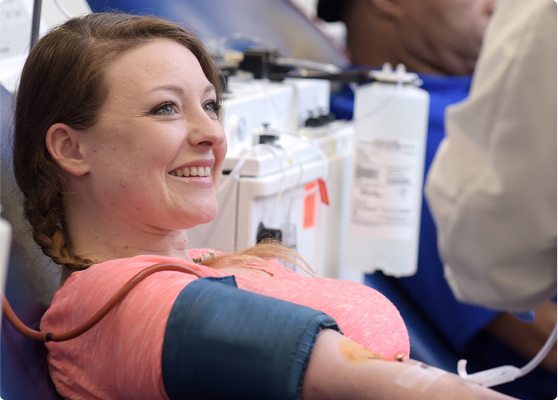
Plasma donation involves drawing blood, separating the plasma, and returning the remaining components to the donor. This process can take about 45-90 minutes, and donors can give plasma up to twice a week. Plasma is used to help people with serious medical conditions, such as immune deficiencies, hemophilia, and severe burns.

Common concerns for athletes
Plasma donation is safe for athletes if planned strategically. With proper timing, hydration, and recovery, active individuals can continue their fitness journey while contributing to a life-saving cause.
1. Will it affect my performance?
Plasma donation temporarily reduces blood volume, which can impact endurance and cardiovascular performance. This reduction can lead to:
-
- Decreased aerobic capacity for 24-48 hours post-donation;
- Potential fatigue and decreased energy levels;
- Mild dehydration, which may impact strength and stamina.
2. How does it impact recovery?
During plasma donation, some proteins and electrolytes are removed, which could delay muscle recovery. However, with proper hydration and nutrition, the body typically replenishes these within 48 hours.
3. Is it safe for high-intensity athletes?
Yes, but timing and preparation are key. Elite athletes and those engaged in high-intensity training should be cautious about the timing of donations relative to competitions or intense training sessions.
Balancing plasma donation with physical activity
To minimize any impact on athletic performance, consider the following guidelines:
1. Timing is everything
- Schedule donations after competition: donate during off-season or after major events;
- Allow recovery time: give yourself at least 48 hours before resuming high-intensity workouts;
- Listen to your body: if feeling fatigued or lightheaded, take additional rest days.
2. Hydration and nutrition
- Hydrate before and after donation: Drink plenty of water to replenish lost fluids;
- Refuel with electrolytes: include electrolyte-rich foods or drinks to restore balance;
- Boost protein intake: consume protein-rich foods to aid in muscle recovery.
3. Adjust your workout routine
- Light exercise after donation: Opt for low-intensity activities such as walking or light stretching;
- Gradual return to intensity: Gradually increase workout intensity over 2-3 days post-donation.
Benefits of plasma donation for active individuals
Plasma donation isn’t just about helping others: there are several advantages also for the donor, especially for those leading active lifestyles. Here’s how plasma donation can benefit athletes and fitness enthusiasts
- Positive impact on health and wellness: donating plasma stimulates the body to produce new plasma, potentially boosting overall circulation and immune function;
- Mental health and community impact: plasma donors contribute to life-saving treatments, which can provide a sense of purpose and well-being.
When to avoid plasma donation
Athletes should avoid plasma donation if they are:
- Preparing for a competition within 48-72 hours;
- Experiencing illness, fatigue, or dehydration;
- Recovering from an injury or undergoing intensive training cycles.
Donating plasma is a generous act that saves lives while offering personal health benefits. For athletes, careful planning, hydration, and nutrition can minimize any temporary performance dips. By balancing donation schedules with training routines, athletes can continue to perform at their best while making a positive impact.
If you’re considering plasma donation, consult with your healthcare provider to ensure it aligns with your fitness goals and overall health.

KEDLeague Rewards Program – Why you should join and how it works

Set a goal, stay motivated – how planning your earnings can help you and others

Why regular check-ups are essential for long-term health


Download The KEDPLASMA Donor App
Prepare for your next donation, get rewarded and consult your vitals stats — all at your fingertips.