Tips for donors
Plasma donation, fertility, and male impotence: what donors need to know
Tips for donors
Plasma donation, fertility, and male impotence: what donors need to know
February 25, 2026
Concerns about how plasma donation might impact fertility or male sexual health are quite common. Many potential donors wonder: can donating plasma affect fertility? Others worry it could influence testosterone levels or cause impotence. This article reviews the scientific evidence to separate fact from fiction, offering clarity for men concerned about reproductive health, hormonal balance, and plasma donation.
Understanding the plasma donation process
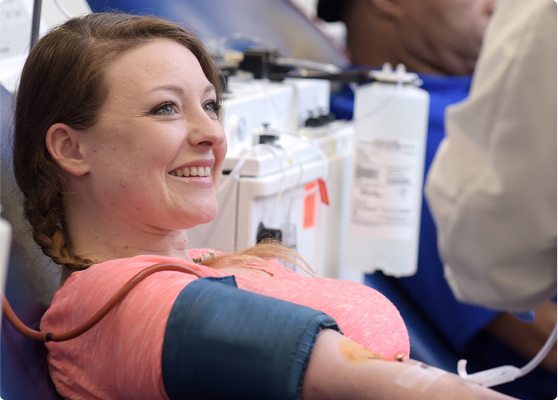
Plasma donation involves drawing blood, separating plasma — the liquid that carries vital proteins and antibodies — and returning red blood cells and platelets to the donor. Plasma is crucial for producing life-saving therapies for people with immune or bleeding disorders. When performed under proper medical supervision, plasma donation is safe and well-tolerated. Most donors can give plasma up to twice a week without any long-term health consequences.

Can donating plasma affect fertility?
The short answer is no: there is no scientific evidence that donating plasma affects male fertility. Plasma donation does not interfere with sperm production, testosterone levels, or testicular function. Fertility depends on several factors such as genetics, lifestyle, nutrition, stress, and environmental exposure, but not on plasma donation. While temporary fatigue or mild dehydration may occur after donating, these effects are short-lived and do not impact reproductive capability. To stay healthy and maintain fertility, donors should drink plenty of water and consume iron and protein rich foods before and after donating.
Plasma donation and hormonal balance
Some men fear that plasma donation could disrupt hormone levels, especially testosterone. However, research shows that plasma donation has no significant effect on hormone concentrations. Unlike whole blood donation, plasma donation removes very few red blood cells and does not cause hormonal fluctuations. The body’s natural equilibrium quickly restores any lost plasma volume within 24-48 hours.
Does plasma donation cause impotence? Debunking the myth
One persistent myth is that donating plasma can lead to male impotence or erectile dysfunction. There is no scientific basis for this claim. Impotence, in fact, is typically linked to cardiovascular conditions, psychological stress, medication side effects, or hormonal disorders. In fact, many regular donors report a sense of improved well-being, as the act of donating can foster a feeling of altruism and good health.
Tips for safe and healthy plasma donation
- Stay hydrated: Drink plenty of fluids before and after donating.
- Eat well: Prioritize foods rich in iron, protein, and vitamins.
- Rest adequately: Avoid intense physical activity immediately before or after donation.
- Consult your doctor: If you experience persistent fatigue or dizziness.
These habits help your body recover efficiently and maintain optimal reproductive and hormonal health.
Conclusions
Scientific research confirms that donating plasma does not affect fertility, testosterone, or sexual performance. Myths linking plasma donation to impotence or infertility are unfounded. Donors can rest assured that the process is safe, beneficial, and does not compromise reproductive health. Plasma donation remains a compassionate and medically supported way to help others — without any risk to your own fertility.

KEDLeague Rewards Program – Why you should join and how it works

Set a goal, stay motivated – how planning your earnings can help you and others

Why regular check-ups are essential for long-term health


Download The KEDPLASMA Donor App
Prepare for your next donation, get rewarded and consult your vitals stats — all at your fingertips.