Tips for donors
Can you drink alcohol after donating plasma? What you should know
Tips for donors
Can you drink alcohol after donating plasma? What you should know
October 2, 2026
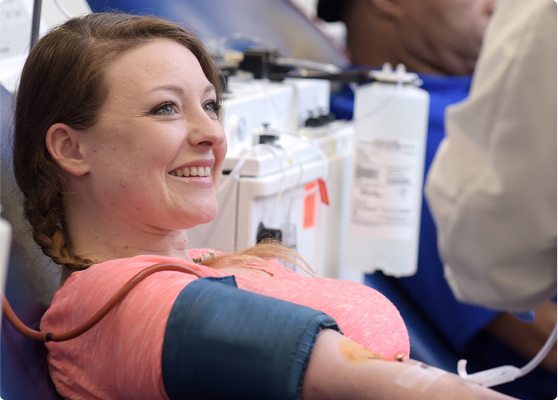
Donating plasma is a safe and valuable way to help patients who rely on plasma-derived therapies. However, many donors have questions about what they can and cannot do after their appointment. One of the most common concerns is alcohol consumption.
Can you drink alcohol after donating plasma? And what if you had alcohol before your donation appointment? Understanding how alcohol affects hydration and recovery can help ensure a safe and comfortable donation experience.
The KEDLeague Rewards Program is a loyalty system created by KEDPLASMA to show appreciation for dedicated plasma donors. Every donation earns you points that can be redeemed for rewards, while your status within the program grows as you continue donating. The more consistent you are, the higher your reward level — and the better the perks.
If you’re new to plasma donation, you might want to read 5 Things You Didn’t Know About Blood Plasma to understand just how powerful your contribution can be.
What is the relationship between alcohol and plasma
To understand why alcohol can affect plasma donation, it’s important to know how alcohol interacts with the body’s plasma.
Plasma is the liquid portion of blood and is made up of about 90% water. It carries nutrients, hormones, proteins, and waste products throughout the body. Because plasma contains such a high percentage of water, maintaining proper hydration is essential for healthy plasma volume and circulation.
Alcohol acts as a diuretic, meaning it increases urine production and causes the body to lose fluids more quickly than normal. As a result, drinking alcohol can temporarily reduce hydration levels and affect plasma volume.
When someone consumes alcohol before donating plasma, dehydration may make the donation process more difficult and increase the likelihood of side effects such as dizziness, fatigue, or lightheadedness. Similarly, drinking alcohol after donation can slow recovery because the body is already working to replace the fluids lost during the plasma collection process.
For this reason, plasma donation centers often encourage donors to drink plenty of water and avoid alcohol before and after donating. Staying hydrated helps maintain healthy plasma levels and supports a smoother donation experience.
Drinking alcohol after plasma donation: is it safe?
The short answer is yes, but it is generally recommended to wait before drinking alcohol after donating plasma. Plasma donation removes a portion of the liquid component of your blood. Although your body replenishes plasma relatively quickly, the process can temporarily reduce your fluid levels. Since alcohol has dehydrating effects, drinking shortly after donating may increase the risk of side effects such as:
- Dizziness;
- Lightheadedness;
- Fatigue;
- Headaches;
- Delayed recovery.
Most plasma donation centers advise donors to focus on rehydrating with water or electrolyte-rich beverages for the rest of the day after donation.
How long should you wait?
While specific recommendations may vary between donation centers, many healthcare professionals suggest waiting at least 24 hours after donating plasma before consuming alcohol.
This allows your body time to:
- Restore lost fluids;
- Stabilize blood volume;
- Recover energy levels;
- Reduce the risk of dehydration-related symptoms.
If you choose to drink alcohol later in the day, make sure you are well hydrated and feeling completely normal before doing so.
Can you donate plasma after drinking alcohol?
Another common question is: can you donate plasma after drinking alcohol? In most cases, donation centers do not allow donors to arrive under the influence of alcohol. Even if you are not intoxicated, drinking alcohol shortly before your appointment can affect your hydration status and potentially make the donation process less comfortable. Alcohol consumption before donation may lead to:
- Mild dehydration;
- Lower blood volume;
- Increased risk of feeling faint;
- Difficulty meeting donation eligibility requirements.
For these reasons, many plasma centers recommend avoiding alcohol for at least 24 hours before your donation appointment.
Final thoughts
If you’re wondering if you can drink alcohol after donating plasma, the safest approach is to wait until your body has had time to rehydrate and recover. Because plasma donation temporarily reduces fluid levels, alcohol may increase the risk of dehydration and related symptoms.
Similarly, if you’re asking if you can donate plasma after drinking alcohol, moderation and proper hydration are essential. Avoid drinking immediately before your appointment and follow your donation center’s guidelines to ensure a safe experience. By prioritizing hydration before and after donation, you can help your body recover efficiently while continuing to support patients who depend on life-saving plasma therapies.

KEDLeague Rewards Program – Why you should join and how it works

Set a goal, stay motivated – how planning your earnings can help you and others

Why regular check-ups are essential for long-term health


Download The KEDPLASMA Donor App
Prepare for your next donation, get rewarded and consult your vitals stats — all at your fingertips.