Tips for donors
Does donating plasma affect your kidneys? Debunking the myths
Tips for donors
Does donating plasma affect your kidneys? Debunking the myths
December 16, 2025
If you’re considering donating plasma, you might wonder if donating plasma is bad for your kidneys. It’s a common concern, but the good news is that donating plasma is safe for healthy individuals and does not harm your kidneys.
Let’s break down the facts and debunk some myths about plasma donation and kidney health.
What happens during plasma donation?
Plasma donation involves a process called plasmapheresis. During this procedure, blood is drawn from your body, plasma is separated, and the remaining components – like red blood cells – are returned to you.
Plasma itself is a yellowish fluid rich in proteins that play a vital role in clotting and immunity. Your body replenishes plasma quickly, usually within 24–48 hours.
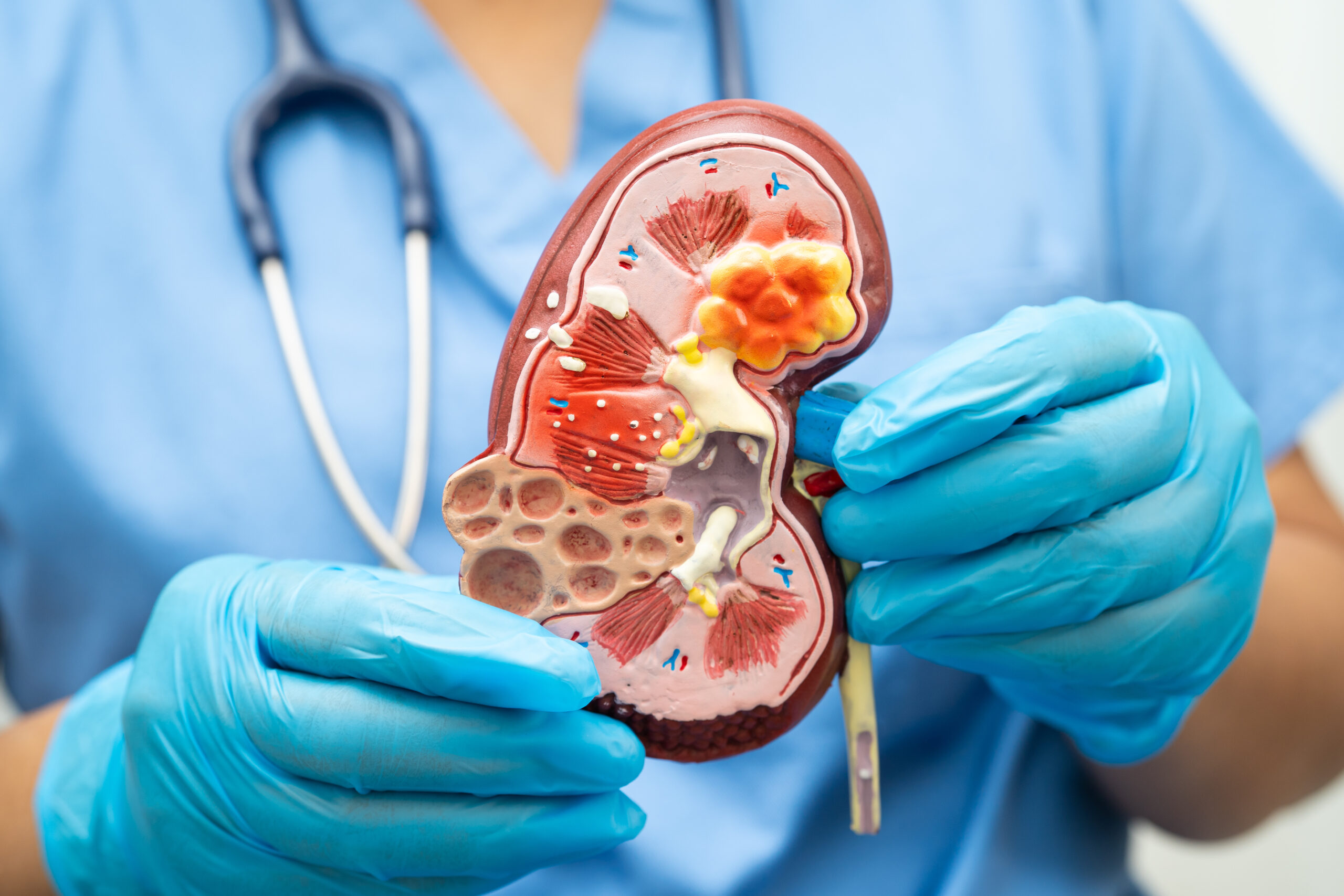
Myth: Plasma donation damages your kidneys
The myth that kidneys may be damaged by plasma donations likely stems from confusion about the role of kidneys in filtering blood. While it’s true that kidneys filter waste products from blood, donating plasma does not overburden or harm them.
Plasma donation does not affect your kidneys directly. Instead, it involves the temporary removal of plasma – the liquid part of your blood – which your body naturally replenishes. Research involving healthy donors has shown that regular plasma donation does not lead to long-term kidney damage. The process is carefully monitored and regulated by health authorities to ensure the safety of donors.
Plasma and kidneys are best friends
Kidney health is closely tied to plasma composition, which includes a mix of proteins, electrolytes, nutrients, and waste products. The kidneys filter blood, reabsorbing beneficial components and removing toxins to maintain this balance.
Plasma analysis can reveal early signs of kidney dysfunction, with imbalances in components like potassium and albumin potentially leading to kidney diseases. In certain cases, treatments like plasmapheresis and plasma exchange filter or replace plasma to remove harmful substances or antibodies, helping stabilize kidney function.
For this reason, plasmapheresis can be considered a medicine for people with kidney problems. Also based on this, it can be understood why kidney damage during plasma donation by healthy individuals is a false myth.
So, is there any risk to kidney health?
For healthy donors who meet eligibility criteria, there is no evidence that donating plasma negatively impacts kidney health. Donation centers follow strict guidelines to ensure donors are fit to donate. This includes a thorough health screening and regular monitoring of vital signs like blood pressure and protein levels.
However, if you have conditions like chronic kidney disease or other health concerns, you should discuss them with medical professionals before donating. These conditions might make plasma donation unsuitable for you.
How does the body recover after donation?
Your body is incredibly efficient at replenishing plasma. After donating, staying hydrated and eating a balanced meal helps speed up recovery. Plasma proteins and fluids are restored within days, ensuring your body remains in balance.
The kidneys continue their normal function during and after the donation process. They maintain the balance of electrolytes and fluids in your body without any additional strain.
Safety measures for donors
In addition, plasma donation centers follow rigorous protocols to protect your health:
- before donating, you’ll undergo a physical exam and answer questions about your medical history;
- centers regulate how often you can donate to allow your body ample time to recover;
- single-use needles and equipment prevent infections or complications during the process.
These measures ensure that both donors and recipients remain safe throughout the donation process.
So, is donating plasma bad for your kidneys? Absolutely not – if you’re healthy and meet the eligibility criteria. Plasma donation is a safe process that doesn’t harm your kidneys or other organs. By staying hydrated, eating well, and following guidelines between donations, you can continue to help others while keeping yourself healthy.

KEDLeague Rewards Program – Why you should join and how it works

Set a goal, stay motivated – how planning your earnings can help you and others

Why regular check-ups are essential for long-term health


Download The KEDPLASMA Donor App
Prepare for your next donation, get rewarded and consult your vitals stats — all at your fingertips.