Donation Experience
Can you donate plasma while taking Ozempic or other GLP-1 medications?
Donation Experience
Can you donate plasma while taking Ozempic or other GLP-1 medications?
October 30, 2026
If you’re taking Ozempic®, Wegovy®, Mounjaro®, or another GLP-1 medication and are interested in donating plasma, you may be wondering whether your prescription affects your eligibility.
In many cases, taking a GLP-1 medication does not automatically prevent you from donating plasma. Eligibility is typically based on a variety of factors, including your overall health, medical history, current symptoms, and the results of the donor screening process.
Because these medications are commonly prescribed for type 2 diabetes and weight management, it’s understandable for prospective donors to have questions about how they may affect plasma donation. Understanding what donation centers evaluate can help you prepare for your appointment and determine whether you may be eligible to donate.
This guide explains what donors taking Ozempic and other GLP-1 medications should know before donating plasma, including common eligibility considerations, potential side effects that may affect donation, and tips for a successful donation experience.
What are Ozempic and other GLP-1 Mìmedications?
Ozempic® is a prescription medication that contains semaglutide, a type of drug known as a GLP-1 receptor agonist. GLP-1 receptor agonists work by activating the GLP-1 receptor, helping regulate blood glucose, slowing gastric emptying, and increasing satiety.
These medications are commonly prescribed to help manage type 2 diabetes and, in some cases, support chronic weight management. In addition to Ozempic®, other medications in this class include Wegovy® and Rybelsus® (which also contain semaglutide), as well as Mounjaro® and Zepbound® (tirzepatide), Victoza® (liraglutide), and Saxenda® (liraglutide).
While each medication has specific approved uses, they all work in similar ways to help improve blood sugar control, reduce appetite, and support weight-loss goals when appropriate. If you’re taking one of these medications and considering plasma donation, it’s important to understand that eligibility is typically determined by your overall health and donor screening results rather than the medication name alone.
Does Ozempic prevent you from donating plasma?
In most cases, taking Ozempic does not automatically prevent you from donating plasma. Donation centers generally do not determine eligibility based solely on whether a donor takes a specific medication. Instead, they evaluate a person’s overall health, medical history, and current condition at the time of donation.
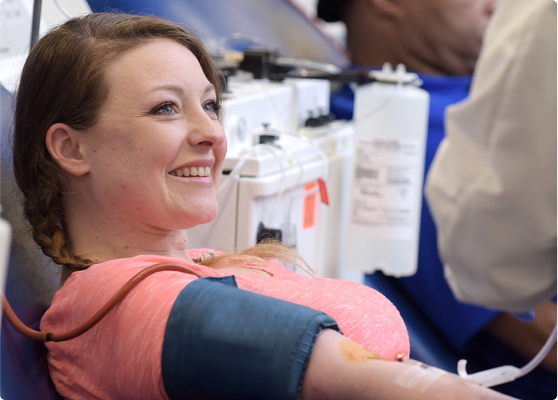
When you arrive for a plasma donation appointment, you’ll complete a health screening that includes questions about medications, medical conditions, and recent health changes. Trained staff will also check factors such as your weight, blood pressure, pulse, temperature, and other eligibility requirements established by the donation center.
For many donors, the reason Ozempic was prescribed is more relevant than the medication itself. For example, someone taking Ozempic to manage type 2 diabetes may be eligible to donate if their condition is well controlled and they meet all other donation requirements. Similarly, individuals using Ozempic for weight management may be able to donate provided they are in good health and pass the screening process. Donors should also have a valid prescription from a licensed healthcare provider and be prepared to provide accurate information about their medication during the screening process.
It’s also important to consider how the medication affects you personally. Some people experience side effects such as nausea, vomiting, dizziness, or reduced food and fluid intake, particularly when starting treatment or increasing their dose. If these symptoms are present on the day of donation, they could affect your eligibility or make donating less comfortable.
Because every donor’s situation is unique, the final eligibility decision is always made during the screening process. If you are taking Ozempic and are unsure whether you can donate plasma, be prepared to discuss your medication and medical history with donation center staff. Providing accurate information helps ensure a safe experience for both you and the recipients who depend on plasma-derived therapies.
Can GLP-1 side effects affect plasma donation?
Potentially, yes. GLP-1 medications such as Ozempic®, Wegovy®, Mounjaro®, and Zepbound® do not usually prevent plasma donation, but side effects can affect how you feel on the day of your appointment.
Nausea, vomiting, reduced appetite, or dehydration may make donation less comfortable or lead to temporary deferral. If you feel unwell, dizzy, or unable to eat and drink normally, it may be best to wait until symptoms improve before donating plasma.
Final thoughts
Taking Ozempic or another GLP-1 medication does not automatically prevent you from donating plasma. Most donation centers evaluate donors based on their current health, medical history, and screening results—not simply the name of a medication.
If you’re feeling well, your condition is stable, and you meet all eligibility requirements, you may be able to donate successfully. When in doubt, let the donation center know about all medications you’re taking and follow the guidance of their medical staff.
Can you donate plasma if you have high cholesterol?

Can you donate plasma if you are overweight?

Can you donate plasma if you have or had cancer?


Download The KEDPLASMA Donor App
Prepare for your next donation, get rewarded and consult your vitals stats — all at your fingertips.