Plasma Power
Understanding plasma fractionation: how plasma becomes life-saving therapies
Plasma Power
Understanding plasma fractionation: how plasma becomes life-saving therapies
February 28, 2026
Plasma, the golden liquid portion of our blood, plays a vital role in sustaining life. Beyond transporting nutrients, hormones, and proteins throughout the body, plasma also serves as the foundation for numerous life-saving medical therapies. Through a process known as plasma fractionation, scientists and medical experts can separate plasma into its key components to produce treatments for a range of serious health conditions.
What is plasma fractionation?
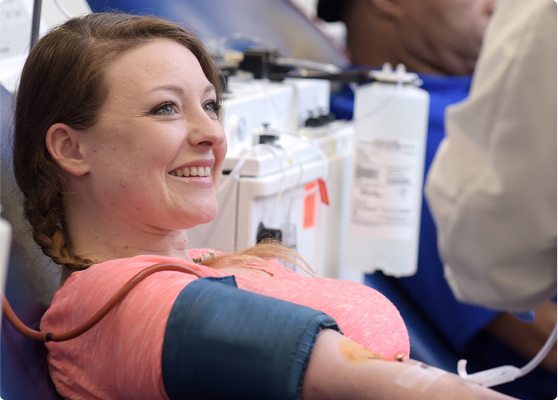
Plasma fractionation is a complex and carefully controlled process that separates plasma into its essential proteins. These include albumin, immunoglobulins (antibodies), and coagulation factors—each of which has unique therapeutic uses. The process begins with plasma collection, either from volunteer donors through plasmapheresis or as a byproduct of whole blood donations. Once collected, plasma undergoes freezing, purification, and filtration steps to isolate and purify these vital proteins. Each stage follows strict safety and quality standards to ensure that the final therapies are both effective and free of contaminants.
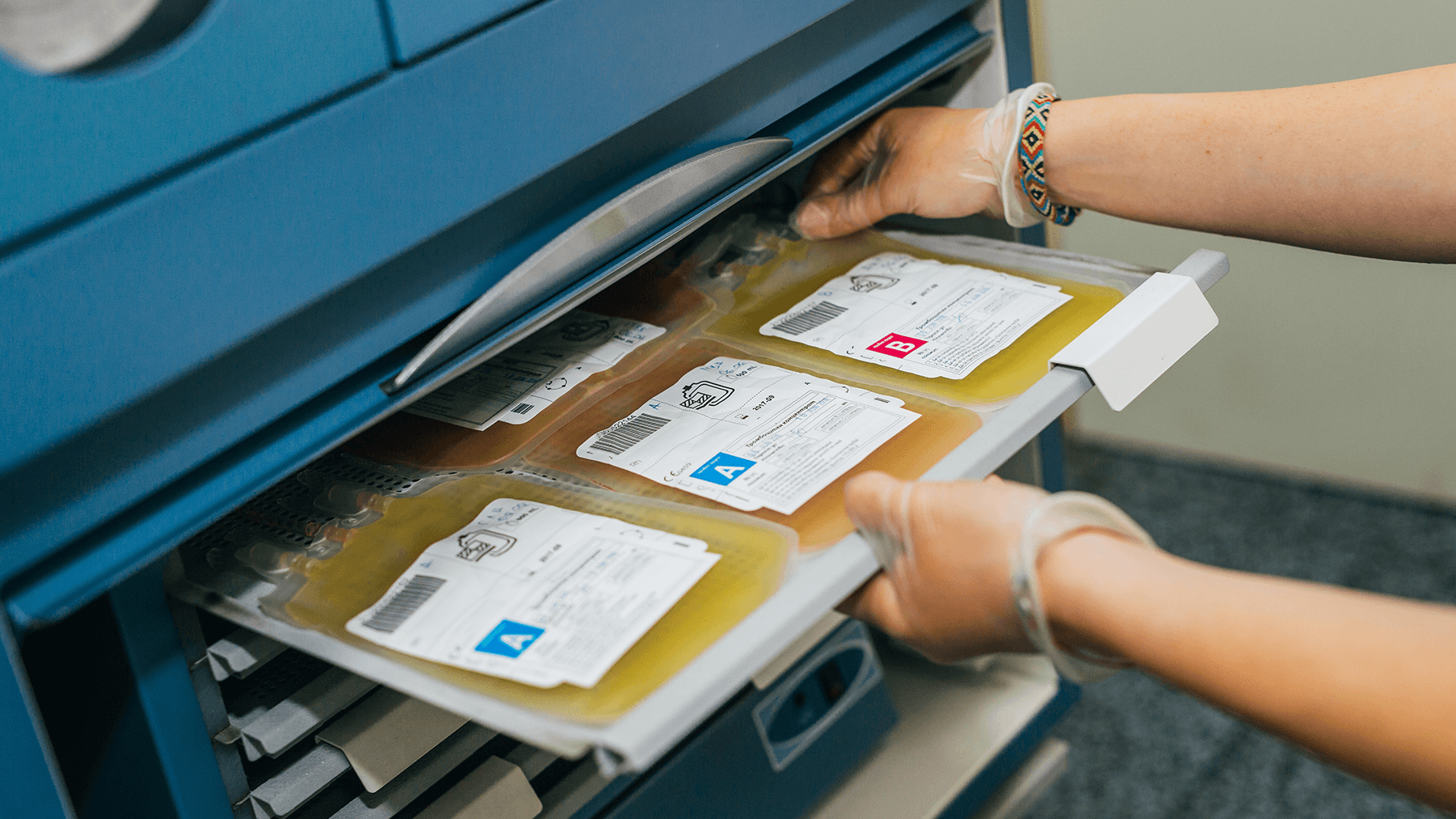
Turning plasma into therapies
The proteins extracted from plasma serve as the active ingredients in treatments for numerous medical conditions:
- Immunoglobulins help strengthen the immune systems of people with primary immune deficiencies, protecting them from life-threatening infections;
- Clotting factors, such as Factor VIII and IX, are used to treat hemophilia, enabling patients to manage bleeding episodes and live more normal lives;
- Albumin is used to restore and maintain blood volume in cases of severe burns, trauma, or surgery.
Each of these therapies can take months to produce, requiring plasma donations from thousands of individuals.
The critical role of plasma donors
Plasma therapies cannot be manufactured synthetically—they depend entirely on human donors. Every donation contributes to a global supply chain that supports patients around the world who rely on these treatments every day. As demand for plasma-derived medicines continues to grow, increasing donor participation is essential to ensure that these life-saving therapies remain available to all who need them.
Conclusions
Plasma fractionation stands as one of modern medicine’s greatest achievements, transforming a natural biological resource into therapies that save and improve lives. By donating plasma, individuals help bridge the gap between scientific innovation and human compassion—making it possible for millions of patients to receive the care they depend on. In essence, plasma donors are silent heroes whose generosity fuels a process that transforms human plasma into hope, healing, and life itself.
Conclusions
Scientific research confirms that donating plasma does not affect fertility, testosterone, or sexual performance. Myths linking plasma donation to impotence or infertility are unfounded. Donors can rest assured that the process is safe, beneficial, and does not compromise reproductive health. Plasma donation remains a compassionate and medically supported way to help others — without any risk to your own fertility.

Does donating plasma burn calories? Separating fact from fiction

Healthcare innovation and its role in saving lives

7 benefits of donating plasma: how it helps you and others


Download The KEDPLASMA Donor App
Prepare for your next donation, get rewarded and consult your vitals stats — all at your fingertips.