Donation Experience
The real side effects of donating plasma: what to expect
Donation Experience
The real side effects of donating plasma: what to expect
November 13, 2023
One of the most common questions people ask before their first donation is: Does donating plasma hurt?
The short answer is: for most donors, plasma donation causes little to no pain and is considered a safe, low-risk procedure. The only discomfort most people experience is a brief pinch when the needle is inserted. After that, many donors report feeling little to nothing during the donation process. Every donor completes a health screening, medical history review, and physical assessment before joining the program. Before each donation, trained staff also check vital signs to make sure it is safe for you to donate.
While serious complications are rare, some people may experience mild, temporary side effects. Understanding what to expect can help you feel more comfortable and prepared.
Does donating plasma hurt during the procedure?
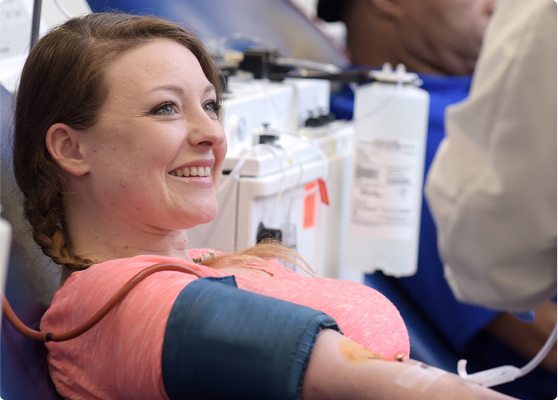
Most donors describe plasma donation as only mildly uncomfortable. The needle insertion may cause a quick pinch similar to having blood drawn for a routine lab test. Once the donation begins, you may feel slight pressure in your arm, but significant pain is uncommon.
The plasma donation process uses a technology called plasmapheresis. Blood is collected, plasma is separated, and the remaining blood components are returned to your body. During the return cycle, some donors notice a cool sensation in the arm or throughout the body. This feeling is normal and temporary.
If you experience discomfort at any point, trained donation center staff are available to assist you immediately.
Is donating plasma bad for you?
For healthy individuals who meet eligibility requirements, plasma donation is not considered bad for your health. Plasma is primarily composed of water, proteins, antibodies, and nutrients. Your body naturally replaces the donated plasma, often within 24 to 48 hours, while plasma proteins are replenished over the following days.
Before every donation, screening procedures help ensure that donors are healthy enough to participate. Donation frequency is also regulated to support donor safety and recovery. Research and decades of clinical experience show that plasma donation is generally safe when performed at licensed donation centers and according to established guidelines.
Common side effects of donating plasma
Although most donors feel fine after donating, some may experience mild side effects that usually resolve quickly.
Lightheadedness or dizziness
Some donors may feel lightheaded during or after donation. In rare cases, fainting can occur. This is often related to:
- Not drinking enough water;
- Skipping meals before donation;
- Anxiety or nervousness about needles;
- Temporary changes in blood pressure.
To reduce the risk:
- Drink plenty of water before and after donating;
- Eat a balanced meal before your appointment;
- Avoid donating on an empty stomach.
Most symptoms improve after resting, drinking fluids, and having a snack.
Bruising at the needle site
Minor bruising can occasionally occur where the needle was inserted. Factors that may contribute include:
- Sensitive veins;
- Veins that are difficult to access;
- Minor bleeding under the skin after needle removal.
Most bruises are mild and fade within a few days.
Feeling tired after donating plasma
Some donors report temporary fatigue after donation. This happens because your body is replacing fluids and proteins that were removed during the procedure. Resting, staying hydrated, and eating a nutritious meal can help speed recovery. To help your body recover:
- Drink extra fluids;
- Eat protein-rich foods;
- Avoid strenuous exercise for the rest of the day;
- Get adequate sleep.
Most donors return to their normal activities shortly afterward.
Headaches after plasma donation
A mild headache can sometimes occur after donation, usually due to dehydration. Because plasma contains a significant amount of water, replacing lost fluids is important. To reduce the risk of headaches:
- Drink water before your appointment;
- Continue hydrating throughout the day;
- Limit alcohol consumption after donation;
- Eat regular meals.
In most cases, headaches are mild and resolve quickly.
How to make plasma donation more comfortable
If you’re donating for the first time, these simple steps can help minimize discomfort and side effects:
- Get a good night’s sleep before your appointment;
- Drink plenty of water throughout the day;
- Eat a healthy meal that includes protein;
- Avoid excessive caffeine immediately before donating;
- Wear comfortable clothing with sleeves that can be rolled up easily;
- Follow all post-donation instructions provided by staff.
When should you contact a healthcare professional?
Serious reactions are uncommon, but you should seek medical attention if you experience:
- Persistent bleeding from the donation site;
- Severe swelling or pain;
- Signs of infection;
- Ongoing dizziness that does not improve with rest and hydration;
- Any symptom that feels unusual or concerning.
The future of plasma donation: how technology is shaping the industry

What happens behind the scenes at a plasma donation center

The impact of long-term plasma donation on your health
FAQs


Download The KEDPLASMA Donor App
Prepare for your next donation, get rewarded and consult your vitals stats — all at your fingertips.