Plasma Power
Plasma donation vs. Platelet donation: key differences explained
Plasma Power
Plasma donation vs. Platelet donation: key differences explained
November 3, 2026
Blood donations save millions of lives every year, but not all donations are the same. Two of the most valuable blood components that can be donated separately are plasma and platelets. While both are collected through a process called apheresis, they serve different medical purposes and involve distinct donation procedures.
This article explains the key differences between plasma donation and platelet donation, including how each is collected, how long the process takes, eligibility requirements, and common questions donors often ask.
What is plasma donation?
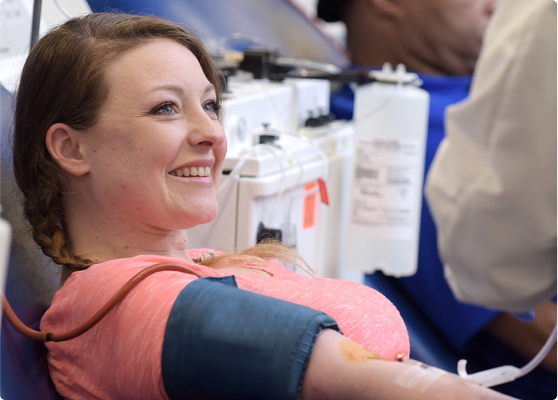
Plasma is the liquid portion of blood, making up about 55% of its total volume. It contains proteins, clotting factors, antibodies, and nutrients that help the body function properly. During plasma donation, blood is drawn from the donor and passed through an apheresis machine. The machine separates the plasma and returns the remaining blood components – such as red blood cells and platelets – to the donor. Plasma is commonly used to treat:
- Burn victims;
- Trauma patients;
- People with clotting disorders;
- Patients with immune deficiencies.
Does high cholesterol affect plasma quality?
In most cases, high cholesterol does not significantly impact the suitability of donated plasma.
Plasma contains proteins, antibodies, clotting factors, and other substances used to manufacture life-saving therapies. While cholesterol circulates in the bloodstream, plasma donation programs are designed to collect plasma from a wide range of healthy donors, including many who have common conditions such as elevated cholesterol.
Although high cholesterol itself is rarely a problem, related health conditions could affect your eligibility. Examples may include:
- Recent cardiovascular events;
- Uncontrolled heart disease;
- Certain complications related to metabolic disorders;
- Health conditions requiring temporary medical deferral.
What is platelets donation?
Platelets are tiny cell fragments that help blood clot and stop bleeding. They are especially important for patients undergoing cancer treatment, organ transplants, or major surgeries. Like plasma donation, platelet donation uses an apheresis machine. However, the machine specifically collects platelets while returning plasma and red blood cells to the donor. Platelet transfusions are often needed by:
- Cancer patients receiving chemotherapy;
- Bone marrow transplant recipients;
- Patients with severe blood disorders;
- Individuals undergoing complex surgeries.
How long does it take to donate platelets?
One of the most common questions donors ask is: how long does it take to donate platelets? The answer varies by donor and collection center, but platelet donations generally take between 90 minutes and 2.5 hours, making them longer than plasma donations. The additional time is required because platelets are present in smaller quantities and must be separated carefully from the blood. The complete appointment typically includes:
- Registration and health screening (15–30 minutes)
- The platelet collection procedure (60–120 minutes)
- Post-donation recovery and refreshments (10–15 minutes)
For first-time donors, the entire visit may last up to three hours. Several factors can influence donation time, including:
- Platelet count;
- Body size and blood volume;
- Hydration level;
- The amount of platelets being collected.
Eligibility requirements for plasma donation
Before donating plasma, donors must meet a series of health and safety requirements designed to protect both the donor and the recipient. Common eligibility criteria include:
- Minimum age requirement (typically 17–18 years or older, depending on local regulations);
- Minimum weight requirement, usually at least 50 kg (110 lbs);
- Good general health with no active illness or infection;
- Normal vital signs, including blood pressure, pulse, and body temperature;
- Acceptable hemoglobin and protein levels;
- Negative screening for infectious diseases, such as HIV and hepatitis;
- Completion of a health questionnaire and medical history review;
- Adequate vein condition to safely perform the apheresis procedure.
Specific requirements vary by country and donation center.
Eligibility requirements for platelet donation
Before donating platelets, potential donors must meet a number of health and safety requirements. Since platelet donations are collected through apheresis and are often used in life-saving treatments, blood centers conduct additional screening to determine whether an individual is eligible to donate. Understanding these requirements can help donors prepare for the process and avoid unexpected deferrals. Donors may need to:
- Meet higher platelet count requirements;
- Avoid certain medications, particularly aspirin and similar drugs, before donation;
- Pass additional screening tests;
- Maintain adequate iron and hemoglobin levels.
Because platelets have a short shelf life – typically only a few days – blood centers frequently need regular platelet donors.
Why can't females donate platelets?
A common question about platelets donation is: why can’t females donate platelets?
The reality is that many women can donate platelets successfully. However, some blood collection organizations apply additional screening requirements to female donors, particularly those who have been pregnant. During pregnancy, some women develop antibodies known as HLA (Human Leukocyte Antigen) antibodies. In rare cases, these antibodies can increase the risk of a serious transfusion reaction called Transfusion-Related Acute Lung Injury (TRALI) in recipients. For this reason, certain donation centers:
- Test previously pregnant women for HLA antibodies;
- Restrict platelet donations if specific antibodies are detected;
- Require additional eligibility screening before donation.
Importantly, being female does not automatically disqualify someone from donating platelets. Policies vary among countries and blood collection organizations, and many women remain fully eligible to donate after appropriate testing.
Plasma and platelets donation: conclusions
Plasma and platelet donations are both essential components of modern healthcare. While they use similar collection technology, they differ significantly in purpose, duration, and eligibility requirements.
| Feature | Plasma Donation | Platelet Donation |
| Main component collected | Plasma | Platelets |
| Typical duration | 60–90 minutes | 90–150 minutes |
| Donation frequency | See current plasma donation frequency guidelines | Usually every 7–14 days, subject to local guidelines |
| Main recipients | Trauma, burn, and clotting disorder patients | Cancer and transplant patients |
| Collection method | Apheresis | Apheresis |
If you’re interested in becoming a donor, contact your local blood collection organization to learn about the specific requirements and opportunities available in your area.
What is plasmapheresis? The science behind plasma donation

Understanding plasma fractionation: how plasma becomes life-saving therapies

Does donating plasma burn calories? Separating fact from fiction


Download The KEDPLASMA Donor App
Prepare for your next donation, get rewarded and consult your vitals stats — all at your fingertips.