Plasma Power
What is plasmapheresis? The science behind plasma donation
Plasma Power
What is plasmapheresis? The science behind plasma donation
October 6, 2026
For many first-time plasma donors, the donation process can seem mysterious. Terms like plasmapheresis may sound highly technical, leading some people to wonder exactly what happens during a plasma donation appointment. Understanding the science behind the procedure can help donors feel more comfortable and confident about their contribution.
What is plasmapheresis?
Plasmapheresis is a medical procedure that uses an automated machine to separate plasma from whole blood. Plasma is the straw-colored liquid portion of blood that contains proteins, antibodies, clotting factors, enzymes, and other essential substances.
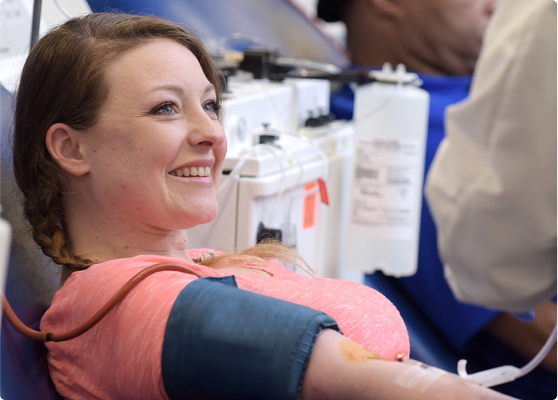
During a plasma donation, blood is drawn from the donor and circulated through a plasmapheresis machine. The machine separates the plasma and collects it, while red blood cells, white blood cells, and platelets are returned to the donor along with a saline solution.
Unlike whole blood donation, where all blood components are collected together, plasmapheresis allows the body to retain most of its cellular blood components. Because only plasma is collected, eligible donors may be able to donate plasma more frequently than they can donate whole blood, depending on local regulations and center guidelines.
How does the plasmapheresis process work?
The technology behind plasmapheresis relies on sophisticated separation systems designed to isolate plasma efficiently and safely. The process typically follows these steps:
1. Blood collection
A sterile needle is inserted into a vein, usually in the arm. Blood flows through sterile tubing into the plasmapheresis machine.
2. Plasma separation
Inside the machine, blood components are separated using centrifugation or filtration technology. These methods take advantage of differences in density and physical characteristics among blood components.
3. Plasma collection
The machine collects the plasma into a dedicated container while preserving the other blood components.
4. Return cycle
Red blood cells, white blood cells, platelets, and saline are returned to the donor through the same needle. This cycle may repeat several times during a donation session until the desired plasma volume has been collected.
5. Completion
Once the collection is complete, the needle is removed, and the donor can rest briefly before leaving the center.
Most plasma donations take between 60 and 90 minutes, though times may vary depending on the donor and the equipment used.
Is plasmapheresis safe?
Modern plasmapheresis systems are designed with multiple safety features. Donation centers follow strict regulatory standards and use sterile, single-use collection materials for every donor. Before donating, individuals undergo health screenings to determine eligibility. During the donation process, trained staff monitor donors and are available to answer questions or address concerns. Many donors report that the procedure is comfortable and becomes routine after their first few visits. Staying hydrated, eating balanced meals, and following donation center recommendations can help support a positive donation experience.
What is therapeutic plasmapheresis?
Many people searching for information about plasma donation also ask, what is therapeutic plasmapheresis? While donor plasmapheresis and therapeutic plasmapheresis use similar technology, they serve different purposes. Therapeutic plasmapheresis, also known as therapeutic plasma exchange (TPE), is a medical treatment used to remove harmful substances from a patient’s plasma. During the procedure, a patient’s plasma is separated and discarded, then replaced with donor plasma, albumin, or another replacement fluid. Doctors may use therapeutic plasmapheresis to treat certain autoimmune, neurological, hematological, and kidney-related disorders. The goal is to reduce disease-causing antibodies, immune complexes, toxins, or abnormal proteins circulating in the bloodstream. In contrast, plasma donation centers collect plasma from healthy donors so it can be processed into therapies for patients. Although the underlying separation technology is similar, the objectives are entirely different.
Understanding the science behind plasma donation helps demystify the experience and highlights the important role donors play in healthcare. Plasmapheresis is a proven technology that safely separates plasma from other blood components, enabling the collection of a resource that many patients depend on every day.

Understanding plasma fractionation: how plasma becomes life-saving therapies

Does donating plasma burn calories? Separating fact from fiction

Healthcare innovation and its role in saving lives


Download The KEDPLASMA Donor App
Prepare for your next donation, get rewarded and consult your vitals stats — all at your fingertips.