Donation Experience
Key vitals and why they matter for plasma donors
Donation Experience
Key vitals and why they matter for plasma donors
December 16, 2025
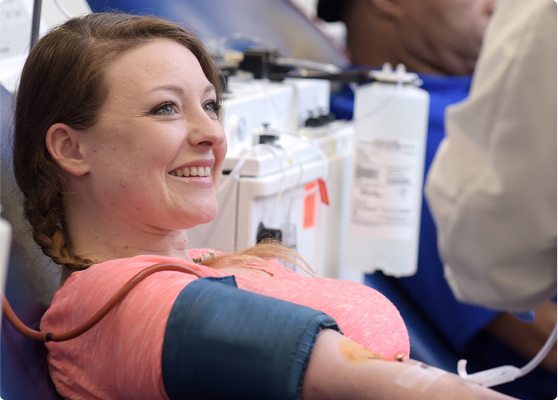
Donating plasma is a generous act that saves lives, but it’s also a process that must prioritize the health and safety of the donor. To do so, donation centers routinely check several key vitals – including blood pressure, pulse, hematocrit (a measure of red blood cells), and total protein levels – before allowing someone to donate. These are not just medical formalities; they are crucial indicators of both donor well-being and plasma quality. This article explains why these measurements matter, how they impact plasma quality and how the KEDPLASMA Donor App helps donors stay prepared for every visit.
What is blood pressure
Blood pressure is the force exerted by circulating blood against the walls of the arteries as the heart pumps it through the body. This vital gives important insight into cardiovascular health. If blood pressure is too high, it can strain the heart and blood vessels, increasing the risk of heart disease and stroke. If it’s too low, it might cause dizziness or fainting, especially during activities like plasma donation. Monitoring blood pressure helps ensure a donor’s cardiovascular system is stable enough to handle the plasma donation process, which involves removing blood, separating plasma, and returning the red cells. That’s why maintaining blood pressure within a safe range is essential for donor safety and eligibility.
Hematocrit levels for plasma donation
Hematocrit measures the proportion of red blood cells in the blood. For plasma donation, maintaining an adequate hematocrit level is essential because the process temporarily reduces blood volume. If a donor’s hematocrit is too low, it could indicate anemia or insufficient red blood cell count, which may lead to fatigue, dizziness, or other complications during or after donation. To protect donors, plasma centers typically require a hematocrit level of at least 38% for women and 39% for men. This ensures that the donor can safely tolerate the procedure and that their body has enough red blood cells to carry oxygen efficiently even after parting with some plasma.
Heart rate and plasma donation
A donor’s heart rate gives insight into their general cardiovascular health. If the pulse is too high, it could be a sign of anxiety, dehydration, or a heart condition. A pulse that’s too low might indicate a problem with the heart’s electrical system or a side effect of certain medications. Donation centers set acceptable heart rate ranges to reduce the risk of complications during the donation.
Why protein levels are important
Plasma contains proteins such as albumin, globulins, and fibrinogen, which play vital roles in clotting, immunity, and overall body function. Low total protein levels may indicate poor nutritional status or underlying health issues, and donating plasma could worsen this imbalance. By checking protein levels, donation centers ensure that donors are healthy enough to give and that their plasma contains the necessary components to help recipients.
Why it all matters
Key vitals like blood pressure, pulse, hematocrit, and protein levels form the foundation of safe plasma donation. The integrity of these vitals, in fact, not only protects the donor during and after the donation but also ensures the quality of the plasma collected. High-quality plasma is essential for producing life-saving therapies for patients with immune deficiencies, bleeding disorders, and other serious conditions. Regular monitoring also gives donors insight into their own health, often catching potential issues early. In that way, plasma donation becomes not just a life-saving act for others, but also a proactive health check for the donor.
How the KEDPLASMA Donor App helps donors
Tracking key vitals is essential to ensure that plasma donors remain healthy and eligible for each donation. The KEDPLASMA Donor App supports donors by providing access to their vital stats after each visit, helping them monitor trends over time. It also sends reminders and offers personalized guidance based on individual health data, so donors can stay informed, take any necessary steps between visits, and arrive fully prepared to donate safely and successfully.
The future of plasma donation: how technology is shaping the industry

What happens behind the scenes at a plasma donation center

The impact of long-term plasma donation on your health


Download The KEDPLASMA Donor App
Prepare for your next donation, get rewarded and consult your vitals stats — all at your fingertips.