


Category: Donation Experience
Donation Experience
Your plasma donation timeline
Donation Experience
Your plasma donation timeline
July 3, 2024
Plasma donation is an act of generosity that can make a difference in many people’s lives. If you are considering becoming a donor but are unfamiliar with the process, this guide will walk you through each step, helping you approach this rewarding experience with confidence and understanding.
What should I do before donating plasma?
Today is a big day! As you prepare to donate plasma for the first time, here are some key steps to ensure your body is ready:
- Stay hydrated: Drink plenty of water in the hours before your donation to ensure you are adequately hydrated.
- Eat a balanced meal: Have a nutritious meal before your donation to maintain your energy levels and prevent lightheadedness.
- Get enough sleep: Make sure you are well-rested before your donation to reduce the risk of feeling faint or dizzy.
- Avoid alcohol and caffeine: Refrain from consuming alcohol or caffeinated beverages before your donation, as they can affect hydration levels and blood pressure.
- Wear comfortable clothing: Dress in loose-fitting, comfortable clothing with sleeves that can be easily rolled up.
- Follow pre-donation instructions: Adhere to any specific guidelines provided by your donation center, including avoiding certain medications or activities.
By taking these steps, you can help ensure a smooth and successful plasma donation experience. If you have any questions or concerns, do not hesitate to ask the donation center staff for assistance and support.

Getting to know each other better!
Upon arriving at the center, you will register as a donor, which is a straightforward process. Be sure to bring:
- Valid ID
- Proof of residency (utility bill, current lease, piece of mail with address)
- Social security card
These documents will be used to fill out some informational forms and verify your identity.
You will be asked questions about your health and lifestyle to ensure that the donation is safe for you and for the people who will receive the donated plasma. For your first visit, plan to spend at least 2 hours at the donation center, subsequent visits will require just over an hour, from check-in to donation.You will be asked questions about your health and lifestyle to ensure that the donation is safe for you and for the people who will receive the donated plasma. For your first visit, plan to spend at least 2 hours at the donation center, subsequent visits will require just over an hour, from check-in to donation.
The complete donation procedure
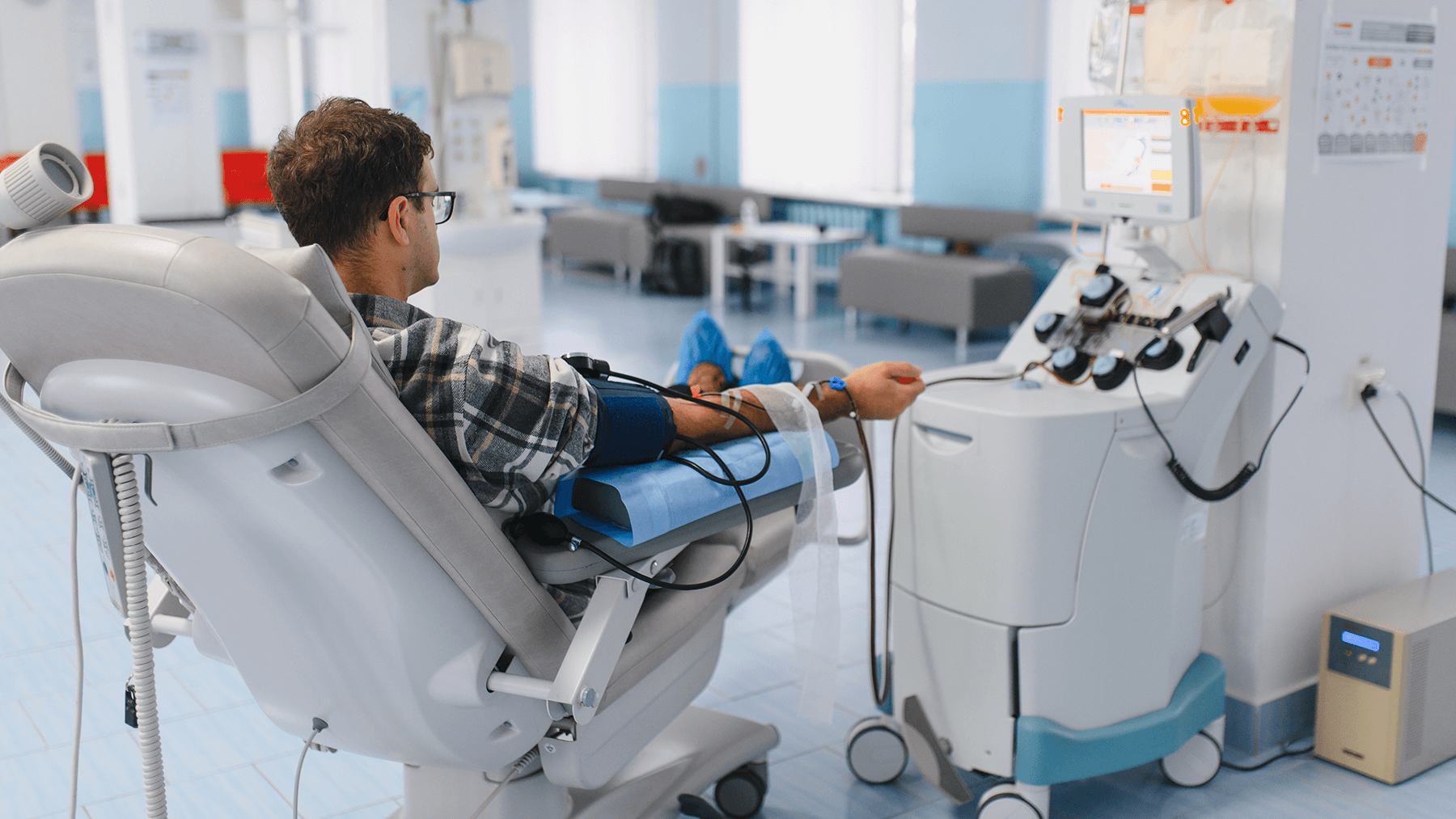
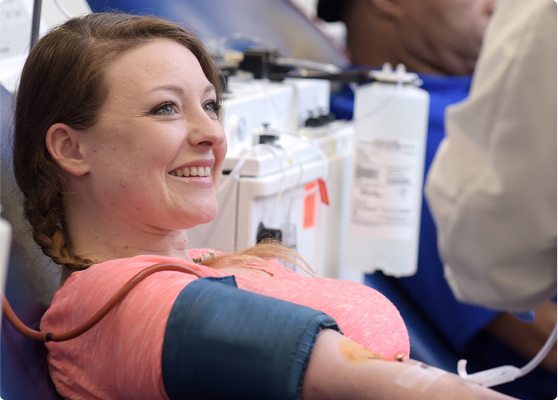
After registration, you will undergo a quick physical exam to ensure you are fit to donate. This exam will include checks on your blood pressure, heart rate, and body temperature. Once cleared, you will be seated in a reclining chair, and a needle will be placed in your arm to draw blood. The plasma is separated by a machine, and the red blood cells are returned to your body.
The donation process is entirely painless and generally takes approximately an hour. To help you stay relaxed while your plasma is being collected, remember to focus on your breathing or use some form of entertainment to pass the time!
Safety and hygiene protocols
Safety and hygiene are top priorities in plasma donation centers. Staff follow rigorous protocols to ensure that all plasma collection equipment is sterilized and that the donation process takes place in optimal hygienic conditions. Make sure to adhere to all hygiene rules provided by the staff and to inform them if you have any concerns or questions regarding the safety of the process.
What happens after you donate plasma?
After donating plasma, it is important to follow some guidelines to ensure your well-being and promote recovery.
- Rest: take some time to rest after donation. If possible, try to avoid intense physical activity for the rest of the day.
- Hydration: drink plenty of water or other non-alcoholic beverages to rehydrate after donation.
- Nutrition: consume nutritious and balanced foods to provide your body with the energy it needs to recover. Avoid heavy or fatty meals.
- No alcohol and smoking: avoid consuming alcohol and smoking for at least 4 hours after donation, as they can interfere with your recovery.
Plasma donation is a perfectly safe process: however, everyone can react differently to it, so it is important to listen to your body and act accordingly. If you have concerns or questions about your post-donation recovery, do not hesitate to contact the donation center or your doctor.
Plan a new donation!
After completing a donation, you can already plan the next one! Since the body regenerates plasma, the donation process can be done frequently and accompany you for most of your life. Additionally, by implementing certain good habits, you can maintain and improve your eligibility as a plasma donor.
The future of plasma donation: how technology is shaping the industry

What happens behind the scenes at a plasma donation center

The impact of long-term plasma donation on your health
FAQs


Download The KEDPLASMA Donor App
Prepare for your next donation, get rewarded and consult your vitals stats — all at your fingertips.


Donation Experience
What disqualifies you from donating plasma?
Donation Experience
What disqualifies you from donating plasma?
April 10, 2024
Plasma donation plays a crucial role in providing life-saving medical treatments for a variety of conditions. That’s why donating is an important and generous act. If you’re considering becoming a plasma donor, you may be wondering: what disqualifies you from donating plasma? The answer depends on several factors, including your overall health, medical history, recent travel, medications, and lifestyle. While some conditions may permanently prevent donation, many of the most common disqualifications are only temporary. Understanding plasma donation eligibility requirements can help you prepare for your appointment and avoid unexpected deferrals. In this guide, you’ll learn about the most common reasons someone may be temporarily disqualified from donating plasma and what steps you can take before donating.
Who can donate plasma?
To donate plasma, individuals generally need to:
- Be in good overall health;
- Meet the age requirements established by the donation center;
- Meet the minimum weight requirements;
- Successfully complete the medical screening process;
- Have acceptable blood test results, including hemoglobin and protein levels.
Before each donation, healthcare professionals assess your eligibility to ensure a safe experience for both donors and recipients.

Am I eligible to donate plasma?
Several factors can affect your eligibility to donate plasma. Some disqualifications are designed to protect your health as a donor, while others help ensure the safety of patients who rely on plasma-derived therapies. Common reasons for temporary plasma donation deferral include:
- Recent illness or infection;
- Certain medications or vaccinations;
- Recent surgery or medical procedures;
- Tattoos or piercings obtained within a specified waiting period;
- Low hemoglobin or iron levels;
- Pregnancy and postpartum recovery;
- Recent travel to areas with a higher risk of infectious diseases.
The specific eligibility criteria may vary depending on local regulations and the policies of your donation center.
Recent illnesses and infections
One of the most common answers to the question “what disqualifies you from donating plasma?” is a recent illness. If you have symptoms such as a cold, flu, sore throat, COVID-19, or another infection, you may be temporarily deferred until you have fully recovered. This waiting period helps prevent potential health risks and protects both donors and recipients. Once you meet the recovery requirements established by your donation center, you can typically resume donating.
Medications, vaccinations, and medical treatments
Certain medications can affect plasma donation eligibility. Depending on the type of medication and the condition being treated, you may need to wait before donating. Some vaccines may also require a temporary deferral period. Similarly, recent surgeries, dental procedures, or other medical treatments may impact your eligibility until sufficient recovery time has passed. Because requirements vary, it is important to discuss any medications, treatments, or recent procedures with the healthcare staff at your donation center.
Tattoos and piercings
Many people ask whether tattoos disqualify them from donating plasma. In most cases, tattoos and piercings do not permanently prevent donation. However, if you recently received a tattoo or piercing, you may need to wait for a specific period before becoming eligible again. These waiting periods help reduce the risk of transmitting blood-borne infections and are an important part of donor safety protocols.
Low hemoglobin and iron levels
Low hemoglobin levels are another common reason for temporary deferral. Before donating plasma, your blood values are checked to ensure they meet established requirements. If your hemoglobin or iron levels are below the acceptable range, you may be asked to wait and return once your levels have improved. Monitoring these values helps protect your health and supports a safe donation experience.
Pregnancy and postpartum recovery
Pregnancy temporarily disqualifies individuals from donating plasma. After childbirth, an additional recovery period is generally required before donation can resume. This allows the body adequate time to recover and helps safeguard the health of both the mother and the newborn. If you have recently given birth, your donation center can provide guidance on when you may be eligible to donate again.
Travel to high-risk areas
Recent travel can also affect plasma donation eligibility. If you have traveled to regions where certain infectious diseases are more common, you may be required to wait before donating. The length of the deferral depends on the destination visited and current public health guidelines. Always inform your donation center about recent travel so that healthcare professionals can assess your eligibility accurately.
Other factors that may affect plasma donation eligibility
In addition to the reasons listed above, other factors may influence your ability to donate plasma, including:
- Chronic medical conditions;
- Ongoing treatments or therapies;
- Nutritional status and hydration;
- Certain lifestyle factors;
- Individual medical history.
Each donor is evaluated individually, which is why a health screening is conducted before every donation.
What happens if you are temporarily disqualified from donating plasma?
Being temporarily disqualified from donating plasma does not necessarily mean you cannot donate in the future.
Most deferrals are precautionary and are intended to protect donor health and patient safety. Once the waiting period has ended or the underlying issue has been resolved, many donors can return and continue donating plasma.
If you are unsure about your eligibility, your donation center’s healthcare team can provide personalized guidance based on your specific circumstances.
The future of plasma donation: how technology is shaping the industry
What happens behind the scenes at a plasma donation center
The impact of long-term plasma donation on your health
FAQs
Download The KEDPLASMA Donor App
Prepare for your next donation, get rewarded and consult your vitals stats — all at your fingertips.
Donation Experience
Women and plasma donation
Donation Experience
Women and plasma donation
Plasma donation is a safe and important process that helps save countless lives. As a woman, you might wonder whether your physiology or life stages affect your ability to donate plasma frequently.
Though there are few differences in terms of donation frequency and other characteristics between men and women, this article covers the key considerations you should take as a female donor.
Donation frequency for women donors
Whether you are a man or a woman, you can donate plasma twice within a seven-day period with at least 48 hours between donation visits.
The volume collected depends on body weight, following the guidelines for plasma collection:
- Donors weighing between 110–149 pounds (approximately 50.0–67.7 kilograms) can donate 625 milliliters (ml) of plasma, which weighs about 640 grams (g).
- Donors weighing between 150–174 pounds (approximately 68.2–79.1 kilograms) can donate 750 ml of plasma, which weighs about 770 g.
- Donors weighing 175 pounds or more (approximately 79.5 kilograms and above) can donate 800 ml of plasma, which weighs about 820 g.
These volume limits are set to guarantee your safety while also providing an adequate supply of plasma for medical needs.
You might have heard that women can donate less frequently than men. This only happens because statistically, women get more temporary deferrals due to pregnancy or other medical reasons, but in general, there is no reason to worry. You can donate as often as your center indicates as long as you are healthy and follow the standards for donation.

Health benefits of plasma donation for women
Doing good is good for you if you believe in the power of giving back. Regular donation helps you keep track of your health parameters like blood pressure, pulse, temperature, and weight. This may help reduce bad cholesterol (LDL) and increase good cholesterol (HDL) levels.
In addition, donating plasma can provide a mood boost from helping others, increasing your sense of service to the community and your mental health.
Plasma donation, pregnancy and breastfeeding
If you are pregnant, unfortunately, you cannot donate plasma. This rule was put in place so that you can save all your energy for you and the baby until the end of the pregnancy. After delivery, you should wait at least six weeks to restore all your blood parameters to their previous levels before donating plasma again.
What if you breastfeed after six weeks? You can donate if your doctor allows you to, according to the eligibility criteria that apply to all women.
Menstruation and plasma donation
Worried about donating during that time of the month? You can donate plasma during your menstrual period if you feel well and don’t have any health issues. In any case, if you are a frequent donor and a woman, it is always a good idea to regularly check your iron levels to make sure you don’t suffer from anemia.
Menopause and plasma donation
There are no limitations regarding plasma donation once you have reached menopause if you feel fit and well on the day. You can also donate plasma if you are taking hormonal replacement therapy HRT or other complementary, herbal, or homeopathic alternatives, to alleviate menopause symptoms.
Rh negative women and the Anti-D program
In addition, if you are an Rh-negative woman – which means that your blood type is negative and your blood cells lack the Rh protein called the D antigen – you can donate plasma for the Anti-D Program to prevent hemolytic disease in newborns. This is a condition where a mother’s immune system attacks her baby’s red blood cells if they are Rh-positive while she is Rh-negative.
Other health considerations
Conditions like anemia, which often affect women more than men, may affect your donor eligibility. Even though plasma donation has lower iron requirements than whole-blood donation, keeping track of your hemoglobin levels is always a good idea for your health.
Overall, plasma donation is a rewarding experience that all women can easily do as long as they prioritize their health and well-being.
The future of plasma donation: how technology is shaping the industry
What happens behind the scenes at a plasma donation center
The impact of long-term plasma donation on your health
FAQs
Download The KEDPLASMA Donor App
Prepare for your next donation, get rewarded and consult your vitals stats — all at your fingertips.
Donation Experience
How often can you donate plasma? Rules and recommendations
Donation Experience
How often can you donate plasma? Rules and recommendations
November 13, 2023
If you’re considering becoming a plasma donor, one of the first questions you may have is: how often can you donate plasma? Unlike whole blood donation, plasma donation can typically be done more frequently because your body replaces plasma much faster than red blood cells. Understanding donation frequency is important for both your safety and the quality of the plasma collected.
In this guide, we’ll explain how often you can donate plasma, how plasma donation differs from blood donation, what factors may impact your eligibility, and how to maintain a safe and consistent donation schedule.
Why is plasma different from blood?
To understand how often you can donate plasma, it helps to know how plasma differs from whole blood.
Blood is made up of several components, including red blood cells, white blood cells, platelets, and plasma. Plasma is the pale-yellow liquid portion of blood that carries nutrients, hormones, proteins, and antibodies throughout the body. It accounts for about 55% of total blood volume. When you donate whole blood, all of these components are collected together. Because red blood cells take several weeks to fully replenish, donors must wait much longer between blood donations. In most cases, whole blood can only be donated once every 56 days.
Plasma donation works differently. During a process called plasmapheresis, only the plasma is collected while the red blood cells and other cellular components are returned to your body. Since plasma is mostly water and proteins, your body can replace it much more quickly than it can replace red blood cells. This faster recovery time is the main reason eligible donors can donate plasma more frequently than blood. In the United States, donors can generally donate plasma up to twice within a seven-day period, with at least one day between donations.
Both plasma and blood donations play an important role in saving lives. While whole blood is often used in emergencies, surgeries, and trauma care, donated plasma is used to create therapies for people living with immune disorders, bleeding disorders, and other serious medical conditions.
How often can you donate plasma in a month?
Many first-time donors ask how often they can donate plasma in a month. In the United States, eligible donors can typically donate plasma up to twice within a seven-day period, with at least one day between donations. Following this schedule, some donors may be able to complete up to eight plasma donations in a four-week period. A typical monthly donation schedule might look like this:
| Week | Donation 1 | Donation 2 |
| Week 1 | Monday | Thursday |
| Week 2 | Monday | Thursday |
| Week 3 | Monday | Thursday |
| Week 4 | Monday | Thursday |
However, the exact number of donations you can make may vary depending on your health, protein levels, hydration status, and the results of your pre-donation screening. Donation center staff will evaluate your eligibility before each visit to ensure donating remains safe for you. While donating plasma regularly can help provide life-saving therapies for patients in need, it’s important to listen to your body and maintain healthy habits between donations. Drinking plenty of water, eating protein-rich foods, and getting adequate rest can help support recovery and prepare you for your next donation.
How often can you give blood?
If you’re wondering how often you can give blood, the answer depends on the type of blood donation you make. Unlike plasma, which is replaced relatively quickly by the body, blood donations involve the loss of red blood cells that take longer to replenish. As a result, blood donors must typically wait longer between donations. For most donors, whole blood can be donated once every 56 days (about every eight weeks). This waiting period helps ensure that your body has enough time to restore healthy red blood cell levels before your next donation.
Other types of blood donations have different eligibility requirements and recovery periods:
| Donation Type | Typical Donation Frequency |
| Plasma | Up to twice within a 7-day period |
| Whole Blood | Every 56 days |
| Platelets | Up to every 7 days (depending on eligibility) |
| Double Red Cells (Power Red) | Every 112 days |
Platelet donations can often be made more frequently because platelets regenerate quickly. Double red cell donations, sometimes called Power Red donations, require a longer waiting period because a larger number of red blood cells are collected during the donation process.
Whether you choose to donate plasma, blood, or platelets, each donation helps support patients facing serious illnesses, injuries, surgeries, and chronic medical conditions. If you’re interested in donating both blood and plasma, be sure to follow your donation center’s guidelines regarding eligibility and waiting periods between donation types.
Can you donate plasma after giving blood?
If you’ve recently donated blood, you may be wondering when you’re eligible to donate plasma. While both donations help save lives, they affect your body differently and require specific recovery periods between donations. When you donate whole blood, your body loses red blood cells, plasma, and platelets. Although plasma is replenished relatively quickly, red blood cells take much longer to recover. This is why donation centers require a waiting period before you can donate plasma after giving blood. The exact timeline may vary depending on the type of blood donation you made and the policies of your donation center. These waiting periods are designed to protect your health and ensure that your body has enough time to restore essential blood components. Iron levels are another important consideration. Red blood cells contain iron, and donating blood temporarily reduces your body’s iron stores. Donating plasma too soon afterward could make it more difficult for your body to fully recover. Maintaining healthy iron levels through a balanced diet can support your recovery between donations.
Factors that affect how often you can donate
Although federal guidelines establish how often you can donate plasma, individual eligibility may vary from one donation to the next. Several health and safety factors are evaluated before every donation to ensure that plasma donation remains safe for both donors and recipients.
Hydration
Proper hydration is essential for a successful plasma donation. Because plasma is primarily made up of water, dehydration can make the donation process more difficult and may affect your eligibility on donation day.
Protein levels
Plasma contains important proteins that help support immune function and other critical processes in the body. Donation centers routinely monitor protein levels to ensure that frequent donations are not negatively affecting your health.
Hematocrit levels
Hematocrit measures the percentage of red blood cells in your blood. Low hematocrit levels may indicate that your body needs more time to recover before donating again.
Medications
Certain medications may temporarily or permanently affect your eligibility to donate plasma. Always inform donation center staff about any prescription or over-the-counter medications you are taking.
Illnesses and medical conditions
Temporary illnesses such as colds, infections, or flu symptoms may require you to postpone your donation. Some chronic medical conditions may also affect eligibility depending on your overall health and treatment plan.
Weight requirements
Donors must meet minimum weight requirements to safely donate plasma. Your weight helps determine whether plasma collection can be performed safely and effectively.
Eligibility screening
Before every donation, you’ll complete a health screening that may include questions about your medical history, recent travel, symptoms, and overall well-being. Passing this screening is required before each plasma donation, regardless of how frequently you donate.
The future of plasma donation: how technology is shaping the industry
What happens behind the scenes at a plasma donation center
The impact of long-term plasma donation on your health
FAQs
Download The KEDPLASMA Donor App
Prepare for your next donation, get rewarded and consult your vitals stats — all at your fingertips.
Donation Experience
The real side effects of donating plasma: what to expect
Donation Experience
The real side effects of donating plasma: what to expect
One of the most common questions people ask before their first donation is: Does donating plasma hurt?
The short answer is: for most donors, plasma donation causes little to no pain and is considered a safe, low-risk procedure. The only discomfort most people experience is a brief pinch when the needle is inserted. After that, many donors report feeling little to nothing during the donation process. Every donor completes a health screening, medical history review, and physical assessment before joining the program. Before each donation, trained staff also check vital signs to make sure it is safe for you to donate.
While serious complications are rare, some people may experience mild, temporary side effects. Understanding what to expect can help you feel more comfortable and prepared.
Does donating plasma hurt during the procedure?
Most donors describe plasma donation as only mildly uncomfortable. The needle insertion may cause a quick pinch similar to having blood drawn for a routine lab test. Once the donation begins, you may feel slight pressure in your arm, but significant pain is uncommon.
The plasma donation process uses a technology called plasmapheresis. Blood is collected, plasma is separated, and the remaining blood components are returned to your body. During the return cycle, some donors notice a cool sensation in the arm or throughout the body. This feeling is normal and temporary.
If you experience discomfort at any point, trained donation center staff are available to assist you immediately.
Is donating plasma bad for you?
For healthy individuals who meet eligibility requirements, plasma donation is not considered bad for your health. Plasma is primarily composed of water, proteins, antibodies, and nutrients. Your body naturally replaces the donated plasma, often within 24 to 48 hours, while plasma proteins are replenished over the following days.
Before every donation, screening procedures help ensure that donors are healthy enough to participate. Donation frequency is also regulated to support donor safety and recovery. Research and decades of clinical experience show that plasma donation is generally safe when performed at licensed donation centers and according to established guidelines.
Common side effects of donating plasma
Although most donors feel fine after donating, some may experience mild side effects that usually resolve quickly.
Lightheadedness or dizziness
Some donors may feel lightheaded during or after donation. In rare cases, fainting can occur. This is often related to:
- Not drinking enough water;
- Skipping meals before donation;
- Anxiety or nervousness about needles;
- Temporary changes in blood pressure.
To reduce the risk:
- Drink plenty of water before and after donating;
- Eat a balanced meal before your appointment;
- Avoid donating on an empty stomach.
Most symptoms improve after resting, drinking fluids, and having a snack.
Bruising at the needle site
Minor bruising can occasionally occur where the needle was inserted. Factors that may contribute include:
- Sensitive veins;
- Veins that are difficult to access;
- Minor bleeding under the skin after needle removal.
Most bruises are mild and fade within a few days.
Feeling tired after donating plasma
Some donors report temporary fatigue after donation. This happens because your body is replacing fluids and proteins that were removed during the procedure. Resting, staying hydrated, and eating a nutritious meal can help speed recovery. To help your body recover:
- Drink extra fluids;
- Eat protein-rich foods;
- Avoid strenuous exercise for the rest of the day;
- Get adequate sleep.
Most donors return to their normal activities shortly afterward.
Headaches after plasma donation
A mild headache can sometimes occur after donation, usually due to dehydration. Because plasma contains a significant amount of water, replacing lost fluids is important. To reduce the risk of headaches:
- Drink water before your appointment;
- Continue hydrating throughout the day;
- Limit alcohol consumption after donation;
- Eat regular meals.
In most cases, headaches are mild and resolve quickly.
How to make plasma donation more comfortable
If you’re donating for the first time, these simple steps can help minimize discomfort and side effects:
- Get a good night’s sleep before your appointment;
- Drink plenty of water throughout the day;
- Eat a healthy meal that includes protein;
- Avoid excessive caffeine immediately before donating;
- Wear comfortable clothing with sleeves that can be rolled up easily;
- Follow all post-donation instructions provided by staff.
When should you contact a healthcare professional?
Serious reactions are uncommon, but you should seek medical attention if you experience:
- Persistent bleeding from the donation site;
- Severe swelling or pain;
- Signs of infection;
- Ongoing dizziness that does not improve with rest and hydration;
- Any symptom that feels unusual or concerning.
The future of plasma donation: how technology is shaping the industry
What happens behind the scenes at a plasma donation center
The impact of long-term plasma donation on your health
FAQs
Download The KEDPLASMA Donor App
Prepare for your next donation, get rewarded and consult your vitals stats — all at your fingertips.