


Category: Donation Experience
Donation Experience
How much do you get paid to donate plasma?
Donation Experience
How much do you get paid to donate plasma?
December 16, 2025
If you’re looking to get money for plasma donation, one of the first questions you may have is: How much do you get paid to donate plasma?
The answer depends on several factors, including your location, whether you’re a new or returning donor, and any promotions currently available at your local KEDPLASMA donation center. Eligible donors receive compensation for the time and commitment involved in donating plasma, and many centers offer additional earning opportunities through referral and loyalty programs.
How does plasma donation compensation work?
Plasma donation requires more time than a standard blood donation and includes health screenings to help ensure donor safety and plasma quality. Because of this, eligible donors receive compensation for each completed donation. Compensation can vary based on:
- Your local KEDPLASMA donation center;
- New donor or returning donor status;
- Donation frequency;
- Seasonal or limited-time promotions;
- Referral and loyalty program participation.
To learn about the most current compensation opportunities, contact your nearest KEDPLASMA center or check available offers through the KEDPLASMA Donor App.
What determines how much you get paid for plasma donation?
Several factors can affect the amount you may receive.
New donor promotions
Many donation centers offer special compensation programs for first-time donors. These promotions are designed to encourage new donors to complete their initial series of plasma donations.
Donation frequency
Regular donors may have access to enhanced earning opportunities based on consistent participation. Donation schedules must follow all applicable eligibility and safety requirements.
Local center offers
Compensation programs can differ from one location to another. Your nearest KEDPLASMA center can provide details about current promotions and available incentives.
More ways to get money for plasma donation
In addition to standard donor compensation, KEDPLASMA offers programs that may help eligible donors earn additional rewards.
Referral programs
Some locations offer referral incentives when eligible donors invite friends or family members who successfully complete the required donation process.
KEDRewards loyalty program
Frequent donors may qualify for additional benefits through KEDRewards. Depending on the program available at your center, participants may earn points, rewards, or access to special promotional opportunities.
Limited-Time promotions
Throughout the year, KEDPLASMA centers may introduce temporary campaigns that provide additional earning opportunities for eligible donors.
Why donate plasma?
While compensation is an important benefit, plasma donation also plays a critical role in helping patients around the world.
Donated plasma is used to create therapies that help treat individuals with rare diseases, immune deficiencies, bleeding disorders, and other serious medical conditions. Because these therapies rely on human plasma, every donation can make a meaningful difference.
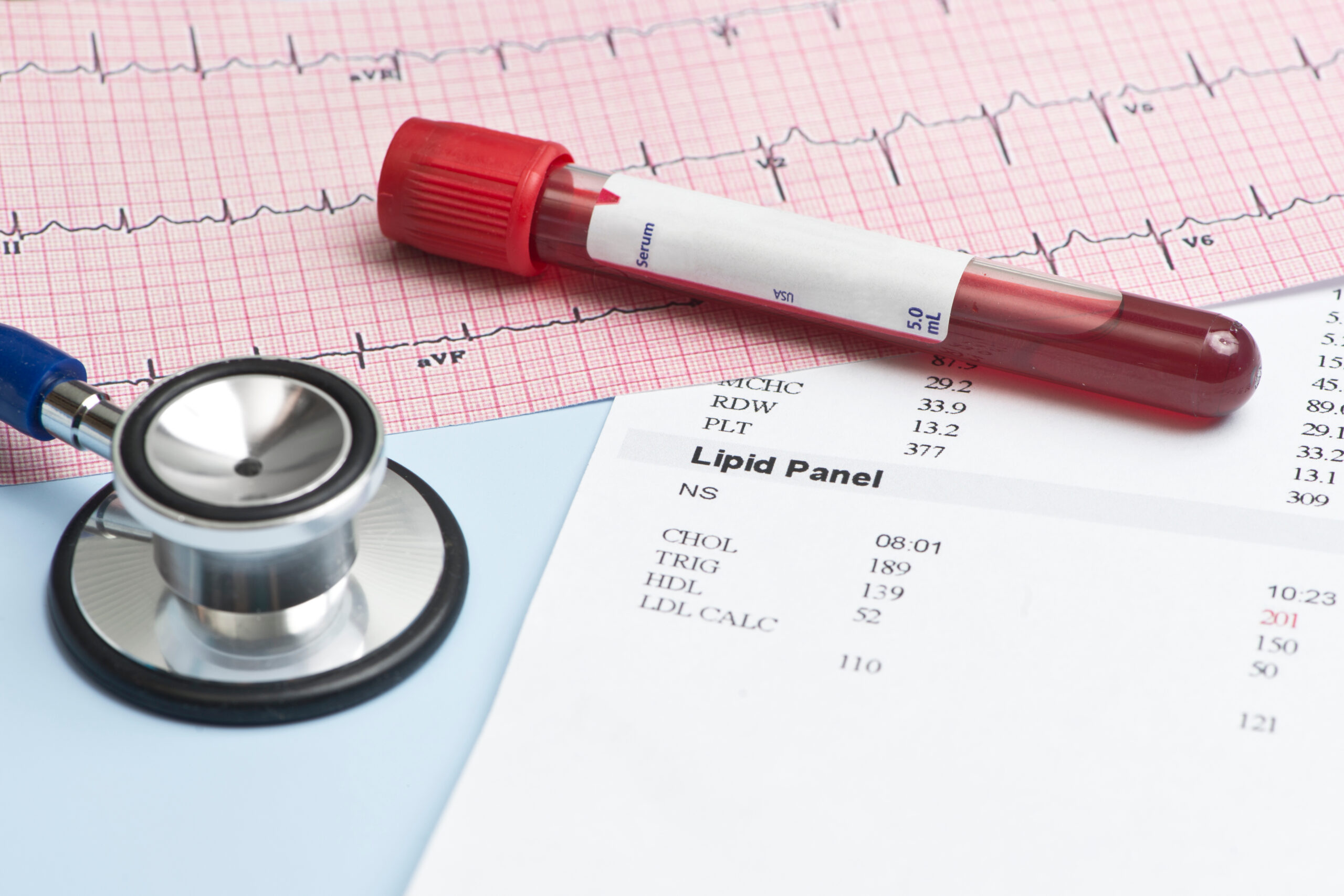
Can you donate plasma if you have high cholesterol?

Can you donate plasma if you are overweight?

Can you donate plasma if you have or had cancer?


Download The KEDPLASMA Donor App
Prepare for your next donation, get rewarded and consult your vitals stats — all at your fingertips.


Donation Experience
Key vitals and why they matter for plasma donors
Donation Experience
Key vitals and why they matter for plasma donors
Donating plasma is a generous act that saves lives, but it’s also a process that must prioritize the health and safety of the donor. To do so, donation centers routinely check several key vitals – including blood pressure, pulse, hematocrit (a measure of red blood cells), and total protein levels – before allowing someone to donate. These are not just medical formalities; they are crucial indicators of both donor well-being and plasma quality. This article explains why these measurements matter, how they impact plasma quality and how the KEDPLASMA Donor App helps donors stay prepared for every visit.
What is blood pressure
Blood pressure is the force exerted by circulating blood against the walls of the arteries as the heart pumps it through the body. This vital gives important insight into cardiovascular health. If blood pressure is too high, it can strain the heart and blood vessels, increasing the risk of heart disease and stroke. If it’s too low, it might cause dizziness or fainting, especially during activities like plasma donation. Monitoring blood pressure helps ensure a donor’s cardiovascular system is stable enough to handle the plasma donation process, which involves removing blood, separating plasma, and returning the red cells. That’s why maintaining blood pressure within a safe range is essential for donor safety and eligibility.
Hematocrit levels for plasma donation
Hematocrit measures the proportion of red blood cells in the blood. For plasma donation, maintaining an adequate hematocrit level is essential because the process temporarily reduces blood volume. If a donor’s hematocrit is too low, it could indicate anemia or insufficient red blood cell count, which may lead to fatigue, dizziness, or other complications during or after donation. To protect donors, plasma centers typically require a hematocrit level of at least 38% for women and 39% for men. This ensures that the donor can safely tolerate the procedure and that their body has enough red blood cells to carry oxygen efficiently even after parting with some plasma.
Heart rate and plasma donation
A donor’s heart rate gives insight into their general cardiovascular health. If the pulse is too high, it could be a sign of anxiety, dehydration, or a heart condition. A pulse that’s too low might indicate a problem with the heart’s electrical system or a side effect of certain medications. Donation centers set acceptable heart rate ranges to reduce the risk of complications during the donation.
Why protein levels are important
Plasma contains proteins such as albumin, globulins, and fibrinogen, which play vital roles in clotting, immunity, and overall body function. Low total protein levels may indicate poor nutritional status or underlying health issues, and donating plasma could worsen this imbalance. By checking protein levels, donation centers ensure that donors are healthy enough to give and that their plasma contains the necessary components to help recipients.
Why it all matters
Key vitals like blood pressure, pulse, hematocrit, and protein levels form the foundation of safe plasma donation. The integrity of these vitals, in fact, not only protects the donor during and after the donation but also ensures the quality of the plasma collected. High-quality plasma is essential for producing life-saving therapies for patients with immune deficiencies, bleeding disorders, and other serious conditions. Regular monitoring also gives donors insight into their own health, often catching potential issues early. In that way, plasma donation becomes not just a life-saving act for others, but also a proactive health check for the donor.
How the KEDPLASMA Donor App helps donors
Tracking key vitals is essential to ensure that plasma donors remain healthy and eligible for each donation. The KEDPLASMA Donor App supports donors by providing access to their vital stats after each visit, helping them monitor trends over time. It also sends reminders and offers personalized guidance based on individual health data, so donors can stay informed, take any necessary steps between visits, and arrive fully prepared to donate safely and successfully.
Can you donate plasma if you have high cholesterol?
Can you donate plasma if you are overweight?
Can you donate plasma if you have or had cancer?
Download The KEDPLASMA Donor App
Prepare for your next donation, get rewarded and consult your vitals stats — all at your fingertips.
Donation Experience
Medications that may disqualify you from plasma donation
Donation Experience
Medications that may disqualify you from plasma donation
October 13, 2025
Donating plasma is a generous act that can save lives, but not everyone may be eligible to do so. Beyond factors like general health and pre-existing conditions, the use of certain medications can temporarily or permanently disqualify you from donating. In this article, we’ll explore the medications that may disqualify you from plasma donation, explain the reasons behind these restrictions, and emphasize the importance of safety for plasma recipients.
Why can some medications affect plasma donation?
Donated plasma is used to produce life-saving therapies for patients with critical conditions, such as immunodeficiencies, bleeding disorders, or severe infections. The presence of certain medications in the plasma can pose risks to recipients, as some substances may cause side effects or reduce the effectiveness of treatments. Additionally, certain medications may indicate health conditions that make the donor ineligible for safety reasons.
The importance of safety in plasma donation
Restrictions related to medications are not meant to exclude donors but to ensure that the collected plasma is safe and effective. Transparency is essential: reporting all the medications you take allows healthcare professionals to evaluate your eligibility and protect the health of patients.

Which medications can disqualify you?
- Anticoagulants. Medications that reduce the activity of specific clotting factors in the blood, making it less prone to form clots, can interfere with the safety of your donation as they increase the risk of bleeding during or after the process.
- Antiplatelet drugs. These medications affect platelet function and are often prescribed to prevent strokes or heart attacks. If you’re taking one of these, you may not be eligible to donate platelets for a certain period. However, you might still be able to donate whole blood.
- Isotretinoin. Used to treat severe acne, isotretinoin can cause birth defects. For this reason, individuals taking isotretinoin must wait at least 30 days after their last dose before donating.
- Finasteride. This medication, used for treating benign prostatic hyperplasia or hair loss, can cause fetal malformations. A waiting period of at least one month after the last dose is required.
- Antibiotics. Taking antibiotics may indicate that you have an active infection, which makes you temporarily ineligible. Generally, antibiotic deferral 3 days after last completed dose and resolution of symptoms for 14 days.
- Antiviral medications. Medications for conditions such as HIV or hepatitis may indicate diseases that compromise the safety of the donated plasma.
What to do if you’re taking these medications?
If you’re taking medications that may disqualify you, always inform the donation center. Healthcare professionals will assess your eligibility based on the protocols and the type of medication you’re taking. Being honest is essential to ensure the safety of patients receiving the plasma.
Conclusion
Donating plasma is an act of great value but requires adherence to strict rules to protect both donors and recipients. If you’re taking medications, always consult the staff at the donation center to determine your eligibility. Experts will guide you in following safety guidelines and advise you on when and how to donate safely. Remember: safety is the top priority!
Can you donate plasma if you have high cholesterol?
Can you donate plasma if you are overweight?
Can you donate plasma if you have or had cancer?
Download The KEDPLASMA Donor App
Prepare for your next donation, get rewarded and consult your vitals stats — all at your fingertips.
Donation Experience
Smoking weed and plasma donation: are you eligible?
Donation Experience
Smoking weed and plasma donation: are you eligible?
Can you donate plasma if you’ve used marijuana? It’s a question that’s come up more often in recent years. With the growing legalization and acceptance of both recreational and medical cannabis in many parts of the world, it is essential to understand how this behavior might affect eligibility for plasma donation.
Why is plasma important?
Plasma is a vital component of blood that contains proteins, antibodies, and clotting factors. It is used to treat a wide range of medical conditions, including autoimmune diseases, clotting disorders, and critically ill patients. Plasma donation is therefore an altruistic act of great value: thanks to your gift, many patients can receive treatments that would otherwise be impossible for them to obtain.
Weed and plasma donation: what do the rules say?
Eligibility to donate plasma varies depending on the specific regulations of each country and the guidelines of health organizations. In general:
- Occasional marijuana use: if you have recently smoked marijuana but are in good health and are not under the influence of the substance at the time of donation, you may still be eligible. However, it is crucial to inform medical staff to ensure the plasma collected is safe.
- Habitual use or dependence: if you use cannabis regularly or are dependent on it, some organizations may require further assessments. The priority is to ensure that your overall health is compatible with donation.
- Medical marijuana: using marijuana prescribed by a doctor for therapeutic purposes does not automatically disqualify you. However, it is important to report any medication or substance you are taking.
How long should you wait?
If you have just smoked marijuana, you may be required to wait a period of time before donating. In general, it is recommended to wait at least 24–48 hours to ensure that significant traces of the substance are no longer in your blood.
Why is honesty important?
Being transparent during the pre-donation interview is essential. The plasma collected is used for vulnerable patients, so it is crucial to ensure that it does not contain substances that could compromise its safety. While marijuana use is not necessarily a disqualifying factor, hiding information could lead to avoidable risks.

Conclusion
Donating plasma is an extraordinary gesture that can make a difference in many people’s lives. If you smoke marijuana, don’t feel discouraged—you may still be eligible. Always consult the medical staff at the donation center to obtain specific and accurate information. Safety and transparency are key to making your donation a safe and meaningful act.
Can you donate plasma if you have high cholesterol?
Can you donate plasma if you are overweight?
Can you donate plasma if you have or had cancer?
Download The KEDPLASMA Donor App
Prepare for your next donation, get rewarded and consult your vitals stats — all at your fingertips.
Donation Experience
Pregnancy and plasma donation: what every donor should know
Donation Experience
Pregnancy and plasma donation: what every donor should know
When you’re pregnant, your body undergoes significant changes to support the growth and development of your baby. As a result, many expectant mothers wonder about their health and the safety of their little ones, especially when it comes to activities like donating plasma. Plasma donation is a vital process that helps save lives, but it’s essential to understand the guidelines surrounding it during pregnancy.
In this article, we will explore the reasons behind restrictions, the potential risks involved, and when you can safely resume plasma donation after giving birth.
Can you donate plasma while pregnant?
Let’s cut to the chase: the short answer is no, the Food and Drug Administration (FDA) has strict regulations that prohibit pregnant individuals from donating plasma or platelets.
This precaution is in place to protect both the donor and the growing baby, to prioritize your health and your baby’s well-being while contributing to the important cause of plasma donation when the time is right.
Why can't you donate plasma during pregnancy?
Your body is working hard to support your developing baby and needs all the resources it can get. For this reason, donating plasma while pregnant isn’t a good idea:
- pregnancy increases your risk of developing anemia, a condition where you don’t have enough healthy red blood cells, and donating plasma could make this worse;
- your body increases its blood volume during pregnancy, and donating plasma could disrupt this delicate balance;
- during pregnancy, your body produces special proteins called human leukocyte antigens (HLA) that help your immune system recognize your baby. If you donate plasma, these proteins could cause problems for the plasma recipient.
When can you start donating plasma again?
After giving birth, you’ll need to wait before donating plasma again. Experts don’t agree on giving a specific time limit to start donating again, it depends from person to person. Generally speaking, it is recommended to wait at least 6 months after giving birth, but some plasma donation centers suggest waiting until you’ve finished breastfeeding.
Always check with your healthcare provider before resuming plasma donation. They know your specific health situation and can give you personalized advice.
What to do if you're pregnant and want to help
If you’re pregnant and still want to contribute, consider these options:
- plan to donate after your pregnancy and breastfeeding journey is complete;
- spread the word about plasma donation to friends and family who aren’t pregnant;
- look into cord blood donation after giving birth. This special blood from the umbilical cord and placenta can help treat various diseases.
Remember, your health and your baby’s health come first. By taking care of yourself during pregnancy, you’re already doing something amazing. When the time is right, plasma donation centers will welcome you back with open arms.

Can you donate plasma if you have high cholesterol?
Can you donate plasma if you are overweight?
Can you donate plasma if you have or had cancer?
Download The KEDPLASMA Donor App
Prepare for your next donation, get rewarded and consult your vitals stats — all at your fingertips.
Donation Experience
Does donating plasma lower your immune system?
Donation Experience
Does donating plasma lower your immune system?
March 7, 2025
Donating plasma plays a vital role in treating serious medical conditions, including immune deficiencies. If you’re wondering whether donating plasma weakens your immune system, you’re not alone. This article will address that concern and explain how plasma donation impacts your health.
Understanding the immune system and plasma
Your immune system is a complex defense network that protects your body from infections and diseases. It’s made up of various components, including white blood cells, antibodies, and proteins – all of which are found in plasma.
Plasma is the liquid part of the blood, making up about 55% of its volume. It carries important proteins, antibodies, clotting factors, and nutrients throughout your body. By donating plasma, you contribute to life-saving treatments for patients who rely on these components for their health.

The plasma donation process
During plasma donation, a process called plasmapheresis is used. Here is how it works:
- A healthcare professional will insert a needle into your arm to collect blood.
- Your blood is then passed into a machine that separates the plasma from other components like red blood cells and platelets.
- The machine returns the red blood cells and platelets back into your body, while collecting the plasma.
The entire process, including health screenings, typically takes one to two hours.
Impact of plasma donation on the immune system
Plasma donation may temporarily affect your immune system, but it doesn’t pose any significant or long-term health risks. While plasma plays an important role in the body, the effects of donating are usually minor and short-lived.
Short-term effects:
After donating plasma, there may be a temporary reduction in some plasma proteins and antibodies.
However, your body quickly compensates for this loss: it replenishes all plasma components within 24-48 hours.
In addition, the immune system continues to function normally during this period, without interference.
Long-term effects:
Research shows that regular plasma donation does not significantly weaken your immune system. While some frequent donors may experience slightly lower levels of certain proteins, these levels usually stay within normal, healthy range.
In fact, many studies confirm that regular plasma donation does not lead to long-term immune deficiencies or significant health risks.
Addressing common concerns and myths
You may have heard some common myths about plasma donation. Let’s clear up two of the most frequent concerns:
- Does donating plasma make you more likely to get sick? No, that is a myth. Your immune system still works effectively after donation.
- Can frequent donation lead to immune deficiency? Not at all. Research shows that frequent donors maintain healthy immune functions without significant negative impacts on their health
Tips for supporting your immune system as a plasma donor
To keep your immune system strong while donating plasma, consider these tips:
- Nutrition: eat a balanced diet rich in protein and iron before donating. Foods like lean meats, beans, and leafy greens are great choices. Try to avoid fatty or spicy foods as they can interfere with plasma quality.
- Hydration: drink plenty of water before and after donating to help your body recover faster. This helps ensure your blood volume is adequate, making the donation smoother.
- Rest: get a good night’s rest before your donation day to help you feel your best.
If you have any concerns about your health or potential side effects from donating plasma, don’t hesitate to talk with the staff of your center.
In summary, donating plasma does not significantly weaken your immune system or put your health at risk. You can feel confident that by donating plasma, you are contributing to life-saving treatments without compromising your own well-being.
Can you donate plasma if you have high cholesterol?
Can you donate plasma if you are overweight?
Can you donate plasma if you have or had cancer?
Download The KEDPLASMA Donor App
Prepare for your next donation, get rewarded and consult your vitals stats — all at your fingertips.
Donation Experience
Is donating plasma safe? Everything you need to know before donating
Donation Experience
Is donating plasma safe? Everything you need to know before donating
If you’re thinking about donating plasma, one of the first questions you may have is: Is donating plasma safe? The short answer is yes. Plasma donation is considered safe for healthy, eligible donors when it is performed at FDA-regulated donation centers that follow strict medical and safety protocols. Every donation involves health screenings, sterile equipment, trained medical staff, and ongoing monitoring to protect both donors and recipients.
Understanding how the process works can help you feel more confident about donating and making a difference for patients who rely on plasma-derived therapies.
Why is donating plasma considered safe?
Plasma donation has been performed for decades and is highly regulated in the United States. Donation centers follow detailed safety standards designed to protect donor health while ensuring the quality of collected plasma. Several safeguards are built into the process:
- Comprehensive health screenings before donation;
- Regular monitoring of donor health and vital signs;
- Single-use, sterile collection equipment;
- FDA oversight and regulatory requirements;
- Trained medical professionals available throughout the donation process.
These measures help make plasma donation a safe and well-monitored experience for eligible donors.
What happens before you donate plasma?
Safety begins before any plasma is collected. Before each donation, donors undergo a health screening that helps determine whether they are eligible to donate that day. Medical staff typically review:
- Blood pressure
- Pulse and temperature
- Protein levels
- Hemoglobin or iron levels
- General health history
- Recent travel, procedures, tattoos, or other factors that may affect eligibility
Donors may also be tested for certain infectious diseases as required by federal regulations. These screening procedures help protect both the donor and the patients who may ultimately receive plasma-derived treatments.

What to expect during the plasma donation process
During plasma donation, blood is drawn through a sterile needle and processed through a machine that separates plasma from other blood components. The remaining blood components are safely returned to the donor’s body along with saline. Throughout the donation process, trained staff monitor donors and are available to answer questions or provide assistance if needed. Most donations take approximately 60–90 minutes, depending on individual factors and the donation equipment used.
Are plasma donation centers safe?
Yes. Reputable plasma donation centers operate under strict safety and quality standards. Centers follow detailed protocols for:
- Donor screening and eligibility verification;
- Infection prevention and control;
- Equipment sterilization;
- Plasma collection procedures;
- Staff training and certification;
- Emergency response procedures.
These protocols are designed to create a safe environment for everyone involved in the donation process.
Are there any side effects of donating plasma?
Most donors tolerate plasma donation well. Some people may experience mild and temporary side effects such as:
- Lightheadedness;
- Fatigue;
- Bruising at the needle site;
- Mild dehydration;
Serious adverse reactions are uncommon, and donation center staff are trained to respond quickly if a donor feels unwell. Following pre-donation and post-donation guidelines—such as staying hydrated, eating nutritious meals, and getting adequate rest—can help reduce the likelihood of side effects.
What happens after donating plasma?
After donation, staff continue to monitor donors and provide recovery guidance. Many centers encourage donors to:
- Drink extra fluids;
- Eat a healthy meal or snack;
- Avoid strenuous physical activity for the rest of the day;
- Follow any post-donation instructions provided by staff.
Most donors return to their normal activities shortly after donating.
Can you donate plasma if you have high cholesterol?
Can you donate plasma if you are overweight?
Can you donate plasma if you have or had cancer?
Download The KEDPLASMA Donor App
Prepare for your next donation, get rewarded and consult your vitals stats — all at your fingertips.
Donation Experience
Plasma donation and STDs: what you need to know
Donation Experience
Plasma donation and STDs: what you need to know
October 9, 2024
Do they test for STDs when donating plasma? Let’s explore the eligibility criteria for donors with STDs
Plasma is used in emergency and life-saving treatments. Donating plasma is a great act of generosity, but it may raise some concerns. In fact, blood and plasma can carry diseases. That is why donors and plasma are screened for a variety of diseases such as STDs, and donation centers follow strict safety protocols to ensure a safe donation and transfusion. When are you not eligible to donate?

Can you donate plasma if you have an STD?
To donate plasma, you must meet certain eligibility criteria regarding your weight, age, and health. Recent travel to a high-risk area, multiple sexual partners, a recent illness, or a recent tattoo may lead to a temporary deferrals.
All donors are tested, but recent infections may not show up, so it is important to be honest when answering the questionnaire administered by the medical staff. They will also ask about your recent sexual behavior.
Certain STDs may disqualify you from donating, such as:
- HIV;
- hepatitis B;
- hepatitis C;
- HTLV (human T-lymphotropic virus 1 and 2);
- syphilis.
However, you can still donate if you have had or been exposed to certain STDs:
- gonorrhea;
- chlamydia;
- genital herpes.
In these cases, there is a three-month delay after full recovery and completion of treatment.
Do they test for STDs when donating plasma?
The safety of plasma transfusion is ensured through donor selection practices and screening tests. All donors are screened for STDs and undergo a physical examination prior to donation.
All donors also complete a questionnaire. You are not eligible to donate if in the last three months you have:
- engaged in sex work;
- had anal sex;
- had sex with someone who has an STD;
- injected recreational drugs;
- had contact with someone who has injected not prescribed drugs;
- received HIV prophylaxis;
- you have had sex with someone who meets the above criteria.
In addition, donated plasma is screened again for STDs and other infectious diseases before it is used for transfusion and medical treatments.
Collected plasma is screened for:
- HIV;
- hepatitis B;
- hepatitis C;
- HTLV;
- syphilis.
Maintaining a healthy plasma supply is vital to public health, and plasma donation centers follow strict protocols to ensure the safety of both donors and recipients.
Can you get an STD from donating plasma?
STDs may be a concern not only for donated plasma, but also if you are willing to become a donor. Getting an infection while donating is extremely rare nowadays: plasma centers use sterile equipment and single-use needles.
Donor selection practices, stringent safe protocols, screenings and your health and travel history ensure a safe environment for donors themselves.
Understanding the importance of transparency
In addition to basic screenings, questionnaires administered by medical staff about your health, travel and sexual behavior history are crucial to ensure the safety of the donation.
Recent infections may not show up, but still be infectious for those receiving plasma transfusion or treatment. That is why honesty plays a crucial role when it comes to donation. It ensures transparency and safety.
Remember that everything you tell the medical staff is confidential and will not be used against you or to judge you. It is not in anyone’s interest. Medical staff is not only highly trained, but also highly professional and will handle your sensitive information properly.
It is indeed in the interest of donors, donation centers and recipients to provide and receive a healthy plasma supply.
Plasma donation and STDs
When it comes to plasma donation, you may have concerns about your health. What happens if you have a sexually transmitted disease? Is it possible to contract an STD while donating?
There are a few STDs that prevent you from donating. These include HIV, hepatitis B and C, HTLV, and syphilis. Other STDs such as chlamydia and gonorrhea are temporary disqualifiers but will not prevent you from donating later.
The donation process is safe, thanks to donor screenings, strict protocols, and sterile, single-use equipment. This ensures a healthy plasma supply that is essential for emergency and life-saving treatments.
If you have any concerns or fear you may have contracted a sexually transmitted disease, talk to your healthcare provider: it is fundamental for your health, not just your ability to donate plasma.
Can you donate plasma if you have high cholesterol?
Can you donate plasma if you are overweight?
Can you donate plasma if you have or had cancer?
FAQs
Download The KEDPLASMA Donor App
Prepare for your next donation, get rewarded and consult your vitals stats — all at your fingertips.
Donation Experience
Navigating plasma donation with diabetes: a short guide
Donation Experience
Navigating plasma donation with diabetes: a short guide
Plasma donation plays a crucial role in providing life-saving treatments for various medical conditions, including immune deficiencies, clotting disorders, and burn treatment. If you have diabetes, you might wonder, “Can diabetics donate plasma?” This guide aims to answer common questions, clarify eligibility criteria, and offer practical advice for diabetic donors.
Can diabetics donate plasma?
The short answer is yes, many diabetics can, but eligibility depends on several factors, including:
- Blood sugar control: your blood sugar levels should be stable and within a normal range. Donors need to demonstrate good control over their diabetes, as fluctuating levels can pose risks during the donation process.
- Insulin use: If you take insulin, it may affect your eligibility. Insulin-dependent diabetics may face more scrutiny regarding their blood sugar management and overall health.
- Type of diabetes: different rules apply for type 1 and type 2 diabetes. Understanding these differences can help you assess your eligibility.

Differences between type 1 and type 2 diabetes
Depending on the type of diabetes you have, your eligibility changes:
- Type 1 diabetes: individuals with type 1 diabetes have a more complex condition, as their bodies do not produce insulin. This can lead to significant fluctuations in blood sugar levels, especially during stressful situations like plasma donation. Because of these risks, donation centers may impose stricter guidelines for type 1 diabetics.
- Type 2 diabetes: generally, those with type 2 diabetes have fewer restrictions, particularly if their condition is well-managed through diet, exercise, or oral medications rather than insulin. If you maintain stable blood sugar levels, you are more likely to be eligible to donate.
Why can't some diabetics donate plasma?
While many diabetics can donate, some face restrictions due to the potential health risks involved. The primary reasons for restrictions include:
- Blood sugar fluctuations: donating plasma can lead to changes in blood sugar levels. For diabetics, this can result in hypoglycemia (low blood sugar) or hyperglycemia (high blood sugar), both of which can be dangerous.
- Medication impacts: certain medications, particularly insulin and some oral diabetes drugs, can affect your eligibility. Insulin can cause low blood sugar, so it’s essential to discuss your medication regimen with the donation center.
Health impacts of plasma donation for diabetics
While individuals with diabetes can donate plasma, it’s important to closely monitor this medical condition. Donors should be mindful of potential health impacts, such as fluctuations in blood sugar and dehydration, which could complicate diabetes management. Plasma donation may temporarily affect your blood sugar levels, so it’s essential to check them before and after donating to ensure they remain stable.
Practical advice for diabetic donors
Here are some tips to help you prepare for plasma donation:
- Maintain stable blood sugar levels: aim for consistent readings leading up to your donation. This may involve adjusting your diet or medication as advised by your healthcare provider.
- Eat a balanced meal: have a nutritious meal before donating to help stabilize your blood sugar. Include complex carbohydrates, proteins, and healthy fats to provide sustained energy.
- Hydrate well: drink water to ensure you are well-hydrated. Consider drinking an electrolyte beverage if you are concerned about hydration levels.
Why some diabetics face additional screenings
During the donation process, you may undergo additional health screenings to ensure your safety. Can you donate plasma if you have diabetes? Yes, but extra precautions may be taken, such as:
-
- Health checks: staff may monitor your blood pressure, pulse, and overall well-being throughout the donation.
- Post-donation advice: rest and monitor your blood sugar after donating. If you feel unwell, contact the donation center or your healthcare provider.
In summary, many diabetics can donate plasma, with proper precautions and monitoring. While some restrictions exist, many diabetics can safely donate plasma with the right preparation. Consult your healthcare provider and the donation center for personalized advice. Your contribution can make a significant difference in healthcare.
Can you donate plasma if you have high cholesterol?
Can you donate plasma if you are overweight?
Can you donate plasma if you have or had cancer?
FAQs
Download The KEDPLASMA Donor App
Prepare for your next donation, get rewarded and consult your vitals stats — all at your fingertips.
Donation Experience
Do blood types matter for plasma donation?
Donation Experience
Do blood types matter for plasma donation?
October 8, 2024
How do different blood types affect the plasma donation process and how are they used in treatments?
Plasma is always in demand, making donations vital for supporting the medical system, but does blood type matter for plasma donation? While all plasma contains the same basic components, it is not identical. Just like blood, plasma varies based on antigens and antibodies. Matching a donor’s and recipient’s blood type is important to ensure safe and effective plasma transfusions. Let’s take a closer look at how blood types come into play when donating plasma.

Understanding blood types
Your blood type is determined by the presence of specific antigens on your red blood cells, as well as a protein called the Rh factor. Antigens trigger an immune response, so it’s crucial for your body to recognize antigens in donated blood to avoid a dangerous reaction.
There are four main blood types, based on the antigens present on red blood cells:
A, B, AB, and 0 (which means no antigens).
You inherit your blood type from your biological parents, just like your hair or eye color. It’s also important to know whether you have a protein called the Rh factor. If you do, you’re considered ‘positive,’ and if not, you’re ‘negative.’ This leads to eight possible blood types:
A+, A-, B+, B-, AB+, AB-, 0+, 0-.
In the U.S., 0+ is the most common blood type, while AB- is the rarest.
What blood types can donate plasma?
The good news is that all blood types can donate plasma. However, there is one type that stands out—AB plasma is particularly valuable because it can be given to anyone, making it the universal plasma donor blood type.
Just like with blood transfusions, it’s important to match the donor’s and recipient’s blood types when it comes to plasma.
Why AB blood type is special
AB plasma is special because it contains both A and B antigens but no antibodies. This means it won’t trigger an immune reaction in any recipient, making it a universal plasma type that can be used in emergency care when immediate transfusions are needed.
The best blood type for plasma donation is AB, as it can be used universally in life-saving treatments for any recipient. However, while AB type is in high demand, all blood plasma types are crucial for medical treatments. Since plasma cannot be recreated in a lab, these life-saving supplies can only come from generous donors.
The Anti-D program and Rh-negative plasma
Your Rh factor, the protein that determines whether your blood type is positive or negative, is especially important during pregnancy. If a mother is Rh-negative and her baby is Rh-positive, it can cause complications known as Rh incompatibility.
To prevent this, Rh-negative plasma is used to create a treatment called Anti-D Immunoglobulin, which protects babies from developing Hemolytic Disease of the Newborn.
There are special plasma donation programs, like the Anti-D program, that enroll Rh-negative donors.
Challenges in plasma collection
Not all blood types are equally common, which makes it challenging to find the right match for certain treatments. This is especially true for AB plasma, which is universal but the rarest type in the U.S.
Maintaining a diverse pool of plasma donors is critical to provide life-saving treatments for people in emergency care, as well as those with chronic, autoimmune, and rare diseases. Programs like Anti-D also depend on having the right donors.
The importance of blood type in plasma donation
Does blood type matter for plasma? Absolutely. Every blood type can make a difference in plasma donation. While AB plasma is especially valuable for its universal use, Rh-negative plasma is essential for specialized treatments like Anti-D that protect newborns.
Your plasma donation could save lives. By understanding blood type compatibility, you can feel even more confident about your ability to make a real difference. Consider donating today to support critical medical programs and help those in need.
Can you donate plasma if you have high cholesterol?
Can you donate plasma if you are overweight?
Can you donate plasma if you have or had cancer?
FAQs
Download The KEDPLASMA Donor App
Prepare for your next donation, get rewarded and consult your vitals stats — all at your fingertips.