


Category: Plasma Power
Plasma Power
Life-saving transfusions in emergency medicine
Plasma Power
Life-saving transfusions in emergency medicine
August 22, 2024
In the realm of emergency medicine, few interventions are as important and immediate in their impact as blood transfusions. These procedures, which involve the transfer of blood or blood components from a donor to a recipient, are pivotal in managing a variety of life-threatening conditions, including trauma, major surgeries, and severe anemia.
In particular, plasma transfusions play a crucial role in emergency medicine.
Here is a detailed overview of their role.
What are transfusions?
Transfusions are a life-saving therapy:
- In case of traumatic events, such as accidents and many surgical procedures;
- In case of chronic diseases, for example, in congenital anemias like thalassemia;
- For overcoming critical conditions due to blood diseases, like leukemia;
- For mitigating the effects of certain anti-cancer therapies (e.g., chemotherapy).

The use of blood components (red blood cells, platelets) and plasma in surgery can vary depending on the type of surgical intervention and its complexity, as in the case of organ transplants.
The transfusion procedure
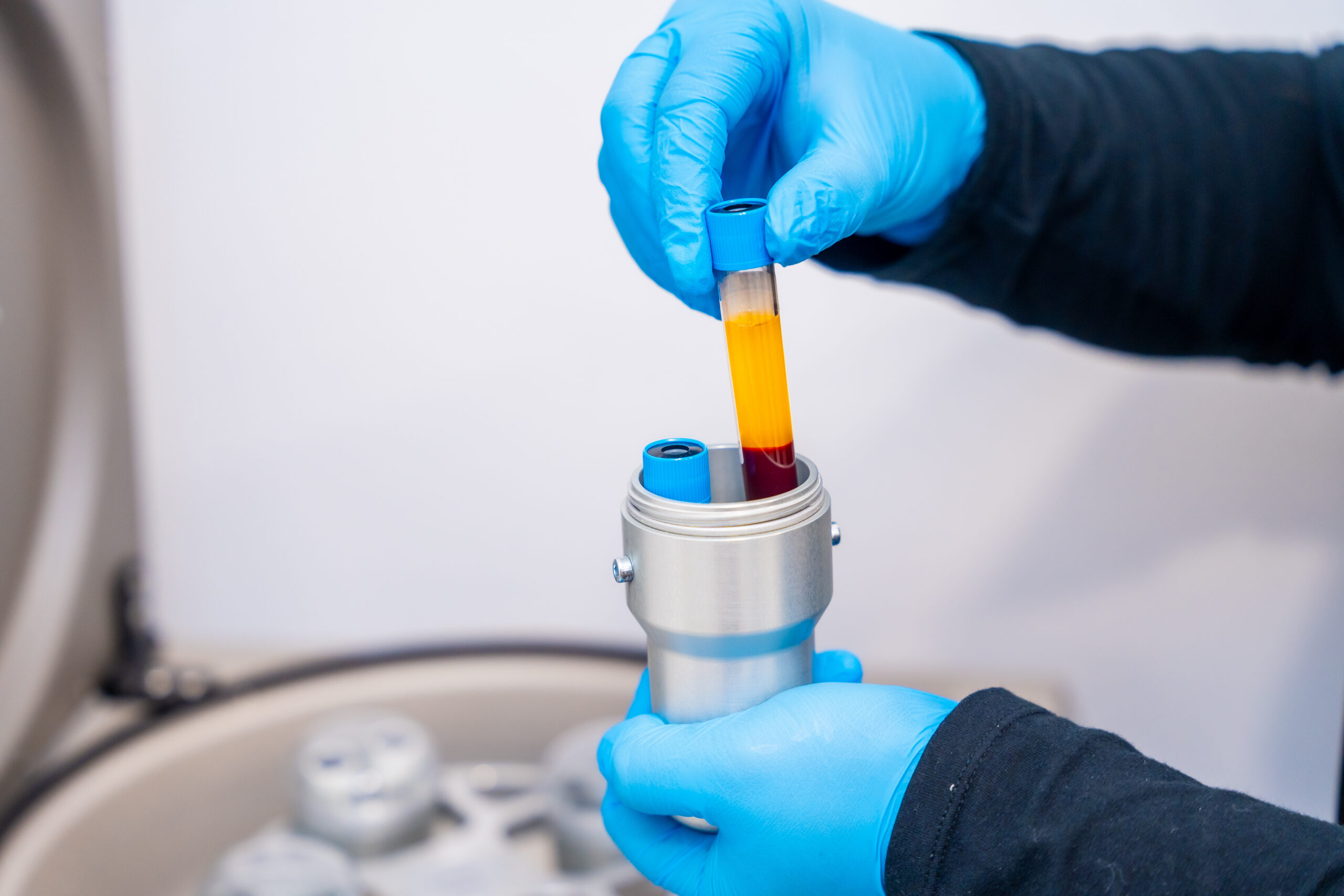
A transfusion involves intravenously infusing red blood cells, plasma, or platelets into a person (called the recipient) taken from an individual who has voluntarily donated blood (the donor). During the transfusion, a small needle is inserted into a vein of the person receiving the transfusion to allow the component contained in the bag to enter the bloodstream.
The duration of a blood transfusion depends on the type of blood component being administered. Initially, the nurse will start the transfusion slowly, monitoring you closely for the first 15 minutes to ensure there are no adverse reactions. If no complications arise, the infusion rate can be increased according to the doctor’s discretion and the patient’s condition.
The role of plasma
Plasma, the liquid component of blood that constitutes about 55% of total blood volume, is fundamental for maintaining fluid balance and transporting nutrients, hormones, and proteins necessary for blood coagulation.
Plasma is composed primarily of water (about 90%), but it also contains essential proteins (such as albumin, globulins, and clotting factors), electrolytes, nutrients, cellular waste, and other molecules. Its main functions are:
- Blood coagulation: plasma contains various factors that are crucial for the coagulation process, which help stop bleeding;
- Transport of substances: plasma serves as a transport medium in the blood for cells, nutrients, hormones, and proteins, maintaining the body’s physiological balance;
- Regulation of blood volume and pressure: the presence of proteins like albumin helps maintain osmotic pressure, which is essential for regulating blood volume and blood pressure.
The importance of plasma transfusion
Blood and blood components are considered drugs because they are used in the treatment of diseases. In some surgical procedures, significant blood loss can be anticipated, and there is always the potential for unexpected blood loss during any type of surgery.
Why would someone need a plasma transfusion? Plasma transfusion services are a vital and integral part of modern health care because fresh frozen plasma (FFP) is used to replace missing or low levels of blood proteins in a range of medical and surgical situations.
Plasma transfusion primarily serves to correct deficiencies of coagulation factors for which there is no specific replacement therapy, or in cases of deficiency of multiple coagulation factors in patients with ongoing bleeding.
In particular, plasma transfusions are indicated in a variety of clinical conditions, including:
- Coagulopathies: in patients with coagulation disorders (such as hemophilia or liver diseases), plasma is used to provide the missing coagulation factors;
- Massive transfusions: during massive transfusions, often necessary in severe trauma or complex surgical procedures, plasma is transfused to replace coagulation factors and prevent bleeding;
- Treatment of severe burns: in patients with extensive burns, plasma helps maintain blood volume and prevent hemorrhagic shock.
In summary, if you have low levels of blood proteins due to a medical condition like liver disease, heart surgery, or severe blood loss, a plasma transfusion may help. Plasma donations are essential for a wide range of medical treatments that save lives and improve the quality of life for many people suffering from serious and chronic illnesses. Plasma donations are truly life-saving acts!
What is plasmapheresis? The science behind plasma donation

Understanding plasma fractionation: how plasma becomes life-saving therapies

Does donating plasma burn calories? Separating fact from fiction
FAQs


Download The KEDPLASMA Donor App
Prepare for your next donation, get rewarded and consult your vitals stats — all at your fingertips.


Plasma Power
Plasma journey: from donation to treatment
Plasma Power
Plasma journey: from donation to treatment
July 3, 2024
Plasma is not just a vital component of blood—it’s a cornerstone in modern medicine, made possible by the selflessness of donors like you. Donating plasma is a simple, painless, and safe gesture: it plays a crucial role in the production of life-saving medications for the treatment of severe and rare diseases. When you decide to donate plasma, you are starting a journey that extends far beyond the donation chair. Your contribution becomes a crucial resource that has a profound impact on numerous lives.
What is a plasma donation?
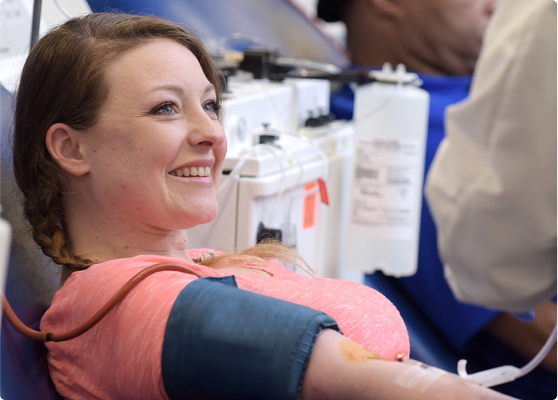
The journey of plasma starts with your donation. The donation process itself is relatively simple and very similar to donating blood. After completing the necessary paperwork and undergoing a health screening to confirm your eligibility to donate, you will be seated in a reclined chair for the actual donation. During this process, your blood is drawn, and the plasma is separated from the other components using a specific machine. At the end of the procedure, red blood cells, white blood cells, and platelets will be returned to you via the machine. The volume of fluid lost during donation is replenished through natural recovery mechanisms, the infusion of saline solution, and fluid intake.

What happens to plasma after donation
Immediately after your donation, the collected plasma undergoes a series of crucial steps to prepare it for further treatments. First and foremost, it is carefully examined and tested to ensure its safety and quality. Any plasma that doesn’t meet the high standards is discarded. Once approved, the plasma undergoes a process called “fractionation” that separates plasma into its individual components, such as antibodies, clotting factors, and albumin. Each of these components serves a specific purpose in medicine and is carefully extracted for further treatments. Once fractionated, the individual components of plasma are purified to remove any impurities or contaminants. This purification process is essential to ensure the safety and efficacy of the final products.
What is plasma used for when donated
Have you ever wondered why donating plasma is so important? Here is why:
- Plasma is a precious resource used to produce life-saving medications that improve the quality of life for millions of people worldwide. Without plasma donors, many individuals suffering from severe or rare diseases would not have access to the treatments they need.
- Plasma is essential for treating patients with severe burns, trauma, and other medical emergencies. Its components can restore blood volume and provide vital substances that contribute to healing.
- Donating plasma can have a significant impact on the scientific community, as it provides an essential resource for medical research. Without plasma donors, many healthcare institutions and research programs would be compromised in their ability to provide high-quality care and promote the advancement of medical science.
What is plasmapheresis? The science behind plasma donation
Understanding plasma fractionation: how plasma becomes life-saving therapies
Does donating plasma burn calories? Separating fact from fiction
FAQs
Download The KEDPLASMA Donor App
Prepare for your next donation, get rewarded and consult your vitals stats — all at your fingertips.
Plasma Power
Rare diseases and plasma donations: a ray of hope
Plasma Power
Rare diseases and plasma donations: a ray of hope
Plasma donation holds a pivotal role in treating rare diseases and most importantly improving countless lives. These conditions, affecting a small but significant portion of our population, pose meaningful challenges in diagnosis and treatment. The resulting health complications can be severe, and in some cases, life-threatening. However, there is hope.
In this article, we will discuss the safety and critical importance of plasma donation, its role in rare disease treatment, and the impactful difference you can make by donating.
Understanding rare diseases
Imagine living with a condition so rare that finding treatment feels like searching for a needle in a haystack. That is the reality for individuals affected by rare diseases, where each diagnosis is as unique as the person it impacts: fewer than 1 in 2,000 people are affected by these illnesses.
The rarity of these diseases complicates research and treatment, leaving many to contend with significant health complications. However, the power of plasma donation is changing this narrative, offering new hope and possibilities for treatment.
Each year, on the last day of February, we observe Rare Disease Day to raise awareness about rare diseases and their impact on patients’ lives. This day is important to foster understanding and promoting the importance of plasma donations in treating these conditions.

The role of plasma in rare disease treatment
Plasma, the liquid component of blood, carries essential proteins and other substances that are necessary for your overall health. It is utilized to create plasma-derived therapies, which are specially designed to treat rare conditions by replenishing missing or deficient proteins in a patient’s blood.
These therapies are often the only option available and are crucial for restoring balance to the proteins in the blood, which is vital for maintaining good health.
The list of plasma-derived therapies is extensive and continually evolving, highlighting the immense strategic value of plasma in medical treatment.
Rare diseases that benefit from plasma donations
Plasma donations play a vital role in treating a variety of rare diseases, particularly those affecting the immune system. Consider the life-changing impact of plasma-derived treatments for conditions like:
- Hemophilia A and B, hereditary bleeding disorders, which are caused by a lack of two clotting factors;
- Alpha-1 Antitrypsin Deficiency (AAT), one of the most common serious hereditary disorders in the world (affecting about 1 in 2,000 people) that can result in life-threatening lung and liver diseases;
- Hereditary Angioedema, caused by a missing inhibitor protein that helps regulate inflammation;
- Primary Immunodeficiency Disease (PID), a genetic condition that prevents an individual’s immune system from functioning properly;
- Chronic Inflammatory Demyelinating Polyneuropathy (CIDP), a rare autoimmune disorder that affects the peripheral nervous system, causing weakness or even paralysis of the nerves in the arms and legs;
- Idiopathic Thrombocytopenic Purpura (ITP), an autoimmune blood disorder that reduces blood platelet levels, essential for blood clotting;
- Kawasaki Disease, a condition that is a leading cause of acquired heart disease and primarily affects children under the age of five.
The impact of plasma donation and advances in plasma therapy
The need for plasma donations has never been more critical. For instance, it takes 130 donations to treat one person with Primary Immunodeficiency Disease for a year. Conditions like Hemophilia require an average of 1,200 donations to treat a patient for a year. Your commitment to donating plasma can ensure a steady supply of life-saving therapies for those in dire need.
Recent advances in plasma therapy have improved treatment outcomes for rare disease patients. For instance, a new therapy, called subcutaneous immunoglobulin (SCIg) therapy, allows patients to administer immunoglobulin at home through a small needle under the skin. This therapy improves patients’ quality of life, as they no longer need to visit hospitals or clinics for regular intravenous immunoglobulin (IVIG) infusions.
How you can make a difference
Joining the ranks of plasma donors means stepping into a community of lifesavers. If you are considering donating, here is how you can start:
- meet the plasma donation requirements: ensure you are in good health, over 18, and meet necessary weight and ID criteria
- understand the process: plasma donation is a safe, clinical procedure that you can undergo regularly
- see the impact: your plasma can treat numerous patients, significantly enhancing their quality of life
Plasma donation is a straightforward way to contribute to a greater cause. For more information or to address any concerns you might have, visit your nearest donation center. Your commitment can turn the tide for those who face the challenge of battling a rare disease daily.
What is plasmapheresis? The science behind plasma donation
Understanding plasma fractionation: how plasma becomes life-saving therapies
Does donating plasma burn calories? Separating fact from fiction
FAQs
Download The KEDPLASMA Donor App
Prepare for your next donation, get rewarded and consult your vitals stats — all at your fingertips.
Plasma Power
What is plasma used for?
Plasma Power
What is plasma used for?
April 10, 2024
Plasma is an important part of your blood that can be donated. But what is donated plasma used for?
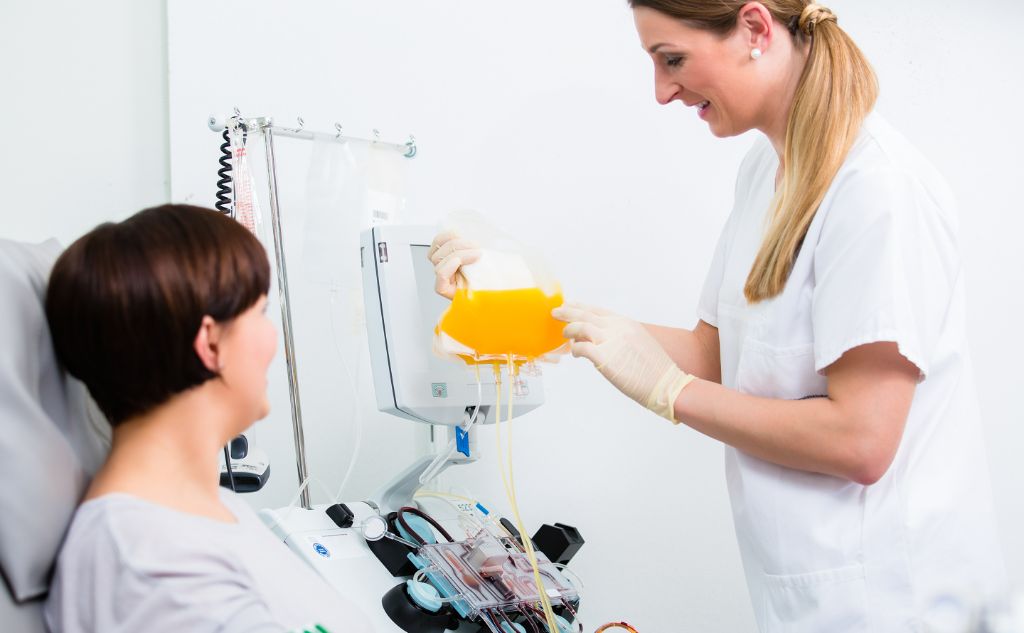
Plasma is the liquid part of your blood. It contains water and a small yet crucial portion of solid substances, such as proteins and antibodies. You can donate plasma along with whole blood or on its own. Plasma donations are vital for shock and trauma treatments, and are also used to make life-saving medicines. Let’s discover the many uses of plasma in medicine.
What is plasma?
Plasma is a part of your blood, specifically the liquid one. In fact, 91-92% of it is water. The remaining percentage of plasma contains vital substances. In particular, these include:
Clotting factors, such as fibrinogen. They give the blood the right consistency and fluidity
Proteins, such as albumin. These have many functions in the body, including transporting oxygen in the blood, contributing to immune function, and enabling digestion
Minerals: They do not provide energy itself but help the organic mechanisms that produce the energy we need
Plasma provides nutrients, enzymes, and hormones to the body and helps remove waste.
Although it is an often-forgotten part of blood, it is the largest one, and its role, when donated, is often life-saving.
What is plasma used for in medicine?
The use of plasma in medicine reached a turning point during World War II when its benefits became clear. It is easier to transport than blood and particularly suitable for shock treatment, such as burns and wounds.
Today, plasma is not only used for emergency treatments but also for chronic, rare, and autoimmune diseases and research.
Your plasma donation can be used for many purposes. Here are some of its most frequent uses:
Accident victims with burns or blood loss from injuries
Excessive bleeding after surgery
People with autoimmune diseases
Amyloid light-chain amyloidosis: a group of rare diseases that cause dysfunctions and organic insufficiencies that can be fatal
Hemophilia: a rare genetic disorder caused by a deficiency of certain blood clotting proteins. A person suffering from a bleeding disorder will have an increased tendency to bleed externally and internally, both spontaneously and after trauma
Myeloma: a type of cancer involving plasma cells
Thrombotic thrombocytopenic purpura: a rare and genetic blood disorder. It causes a dangerous reduction in the oxygen supply to various organs
Von Willebrand disease: a condition that makes it more difficult for the blood to clot, causing bleeds that last for extended periods of time
Plasma transfusions help with excessive bleeding, and both its proteins and its antibodies can help treat the serious and chronic conditions just mentioned. Typically in these cases, the patient undergoes a treatment called plasmapheresis: the removal, return, or exchange of plasma. This is done with the help of a special machine.
However, the use of plasma for research purposes is equally important, since plasma-derived medicinal products are developed thanks to it.
In conclusion, the plasma you donate is essential for emergencies, but also to help provide the key ingredient for therapies that improve the quality of life of patients suffering from various rare, chronic, autoimmune and genetic diseases.
What is plasmapheresis? The science behind plasma donation
Understanding plasma fractionation: how plasma becomes life-saving therapies
Does donating plasma burn calories? Separating fact from fiction
FAQs
Download The KEDPLASMA Donor App
Prepare for your next donation, get rewarded and consult your vitals stats — all at your fingertips.
Plasma Power
What does plasma do for your body?
Plasma Power
What does plasma do for your body?
Plasma is the largest component of blood and performs many vital functions. What is plasma essential for?
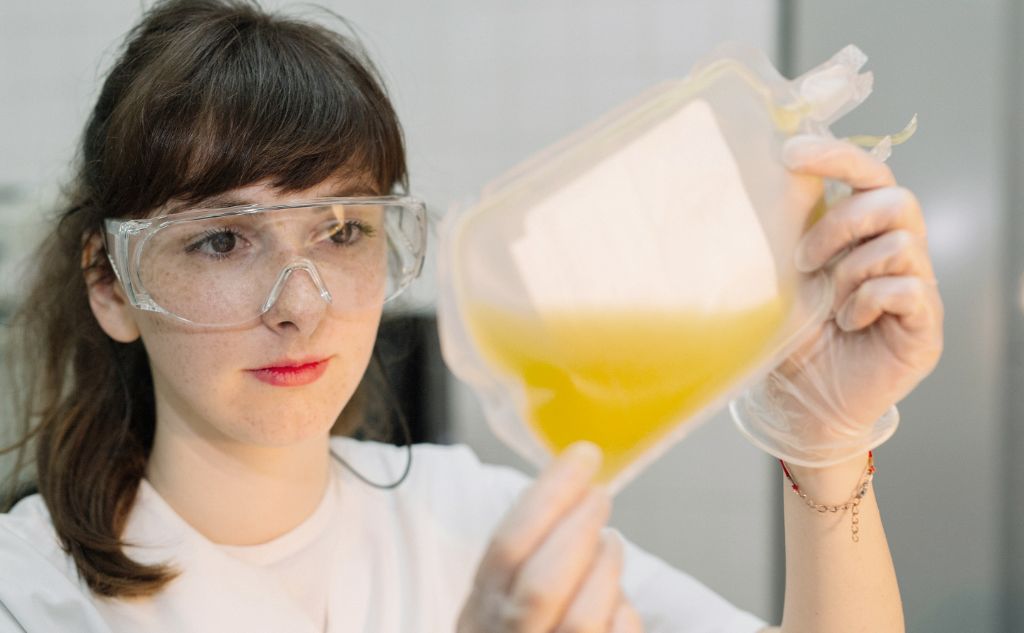
Blood is essential to our bodies: it carries nutrients such as fats, proteins, and sugars, removes waste products, helps heal wounds, and distributes heat. Blood has many components, most notably a liquid part called plasma and a solid part that contains red blood cells, white blood cells, and platelets. The latter are the best known, but plasma itself plays a fundamental role too. What is it made up of, and what does it do for your body?
The difference between blood and plasma
Whole blood flows through our veins, and it makes up about 7-8% of our body’s weight. Typically, the male body contains up to 12 pints of blood, while the female body contains up to 9 pints.
Whole blood contains:
Plasma
Blood cells include red blood cells, white blood cells, and platelets
Therefore “blood” refers to the solid part, and “plasma” refers to the liquid part. The difference between blood and plasma is important when donating: you can donate whole blood or just a part of it, plasma.
Both whole blood and plasma are in high demand, especially in emergency medicine: they are often needed to treat trauma, injuries, and burns.
In addition to helping in cases of emergencies, plasma is also used in the treatment and research of rare, chronic, and autoimmune diseases.
Where does plasma come from?
Plasma is first formed in the embryo thanks to the umbilical cord. As the body develops, plasma proteins form in the soft tissue of the bones, called bone marrow. Plasma cells regenerate quickly, so donating plasma is completely safe.
The main component of plasma is water, and it comes from the water absorbed through the digestive system.
When separated from the rest of your blood, it appears like a yellowish liquid that has the color of straw.
What does plasma contain?
As we have seen, plasma is the liquid part of the blood, so its main component is water. It makes up for 91-92% of plasma, which is why drinking plenty of water after a plasma donation is highly recommended.
The remaining 7-8% contains several substances essential for your health and for the well-being of your body. It consists of:
Nutrients, such as proteins, fats and sugars
Coagulants that help the clotting process
Immunoglobulins that help fight infections and pathogens in general
A small amount of: enzymes, hormones, vitamins
What does the plasma in your blood do?
Both whole blood and plasma play a fundamental role in the functioning of our bodies. Specifically, plasma is responsible for:
Blood coagulation to help your wounds or cuts to heal
Defense against pathogens such as viruses, bacteria, or fungi because it contains antibodies, a special type of proteins that keep you from getting sick
Transport of nutrients, minerals, and hormones that fuel your body and regulate functions such as sleep, fatigue, and hunger
Body temperature regulation, which needs to be stable
Removal of waste products: your blood is like a river that carries waste products to organs such as the liver or kidneys for elimination
Plasma performs incredible functions for the body. By donating this precious ‘life-source’ you are helping people who have suffered some kind of trauma or whose own plasma cells don’t function as they should. Your donation helps re-regulate these fundamental processes, greatly improving the quality of life of patients worldwide.
What is plasmapheresis? The science behind plasma donation
Understanding plasma fractionation: how plasma becomes life-saving therapies
Does donating plasma burn calories? Separating fact from fiction
FAQs
Download The KEDPLASMA Donor App
Prepare for your next donation, get rewarded and consult your vitals stats — all at your fingertips.